

Why Fashion's Biggest Brands Are Obsessed With Sport in 2026
Luxury fashion has always flirted with sport. But in 2026? It's officially in a relationship. Somewhere between tunnel walks becoming front rows, Formula 1 paddocks turning into fashion week extensions, and footballers…

Editorial Team
Why Fashion's Biggest Brands Are Obsessed With Sport in 2026
Luxury fashion has always flirted with sport. But in 2026? It's officially in a relationship.
Somewhere between tunnel walks becoming front rows, Formula 1 paddocks turning into fashion week extensions, and footballers swapping duffel bags for Hermès, the worlds of luxury and sport have stopped borrowing from one another, they've become inseparable. Winning isn't just about trophies anymore. It's about cultural relevance. And luxury brands know exactly where to find it.
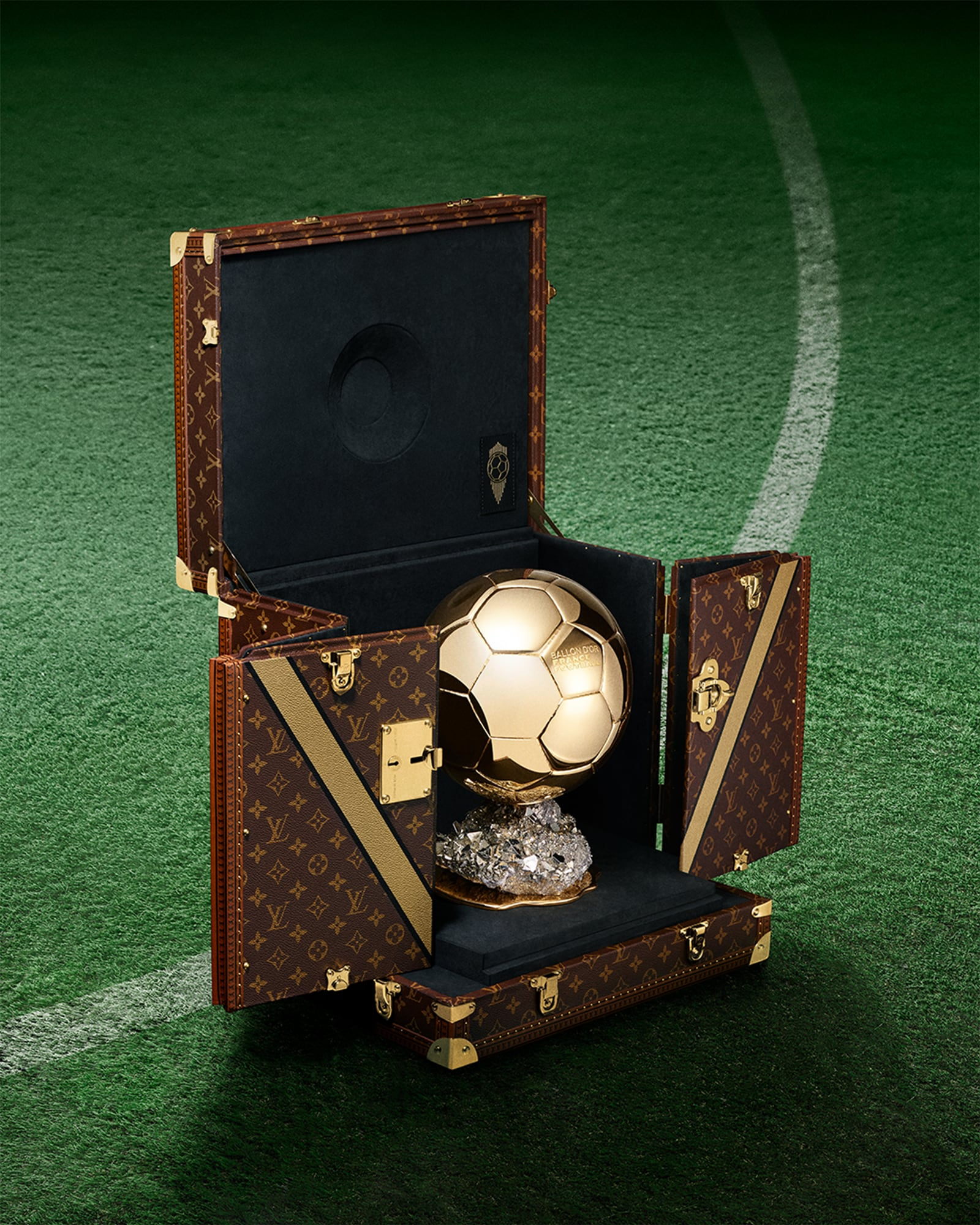
Take football, for starters. Once reserved for jerseys and boots, it's now one of fashion's biggest playgrounds. Luxury houses are increasingly dressing athletes off the pitch as much as they're inspiring what's worn on it. From Louis Vuitton's longstanding partnership with FIFA – crafting bespoke trophy trunks for the FIFA World Cup to Dior dressing some of football's biggest names, the beautiful game has quietly become luxury's favourite runway.
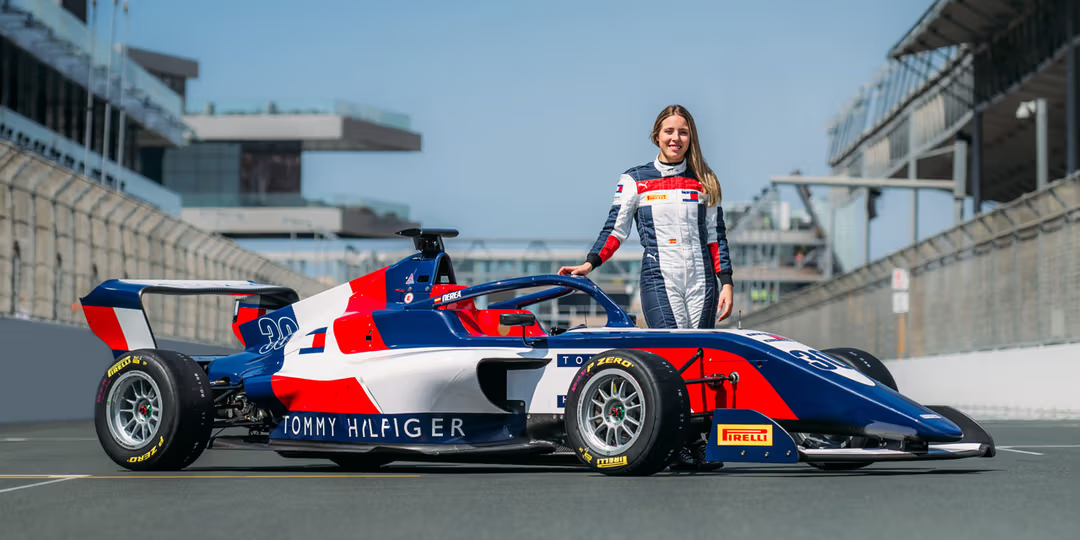
Then there's Formula 1, arguably fashion's most glamorous new obsession. Every Grand Prix weekend now doubles as a street-style spectacle, with drivers arriving in carefully curated looks that spark almost as much conversation as the race itself. Lewis Hamilton, perhaps the sport's greatest fashion ambassador, has blurred the line between athlete and fashion insider for years, while younger drivers have embraced luxury dressing as part of their personal brand. Brands have followed suit. Tommy Hilfiger has built a long-standing relationship with Formula 1, while recent years have seen labels such as Boss, Ferrari Style and Adidas deepen their involvement in motorsport, transforming teamwear into genuine fashion statements.
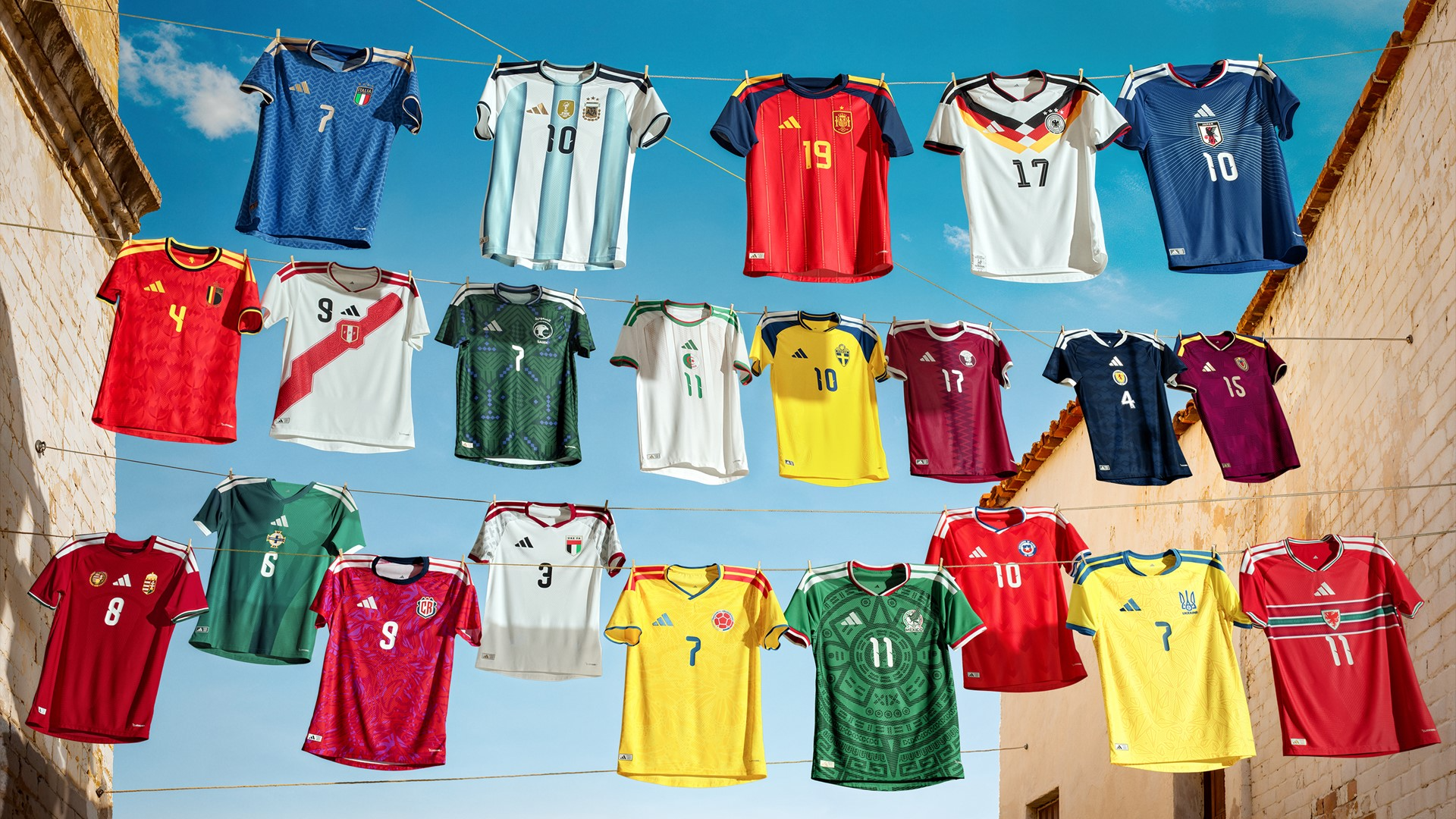
Luxury's love affair with football doesn't stop at sponsorships either. Pharrell Williams' debut collections for Louis Vuitton drew heavily from football culture, while the rise of blokecore – a trend celebrating vintage football jerseys, oversized tailoring and sneakers proved that the sport had become a legitimate fashion language rather than just athletic wear. Suddenly, jerseys were appearing beneath blazers, loafers replaced football boots off the field, and sports scarves found themselves at fashion weeks from Paris to Milan.
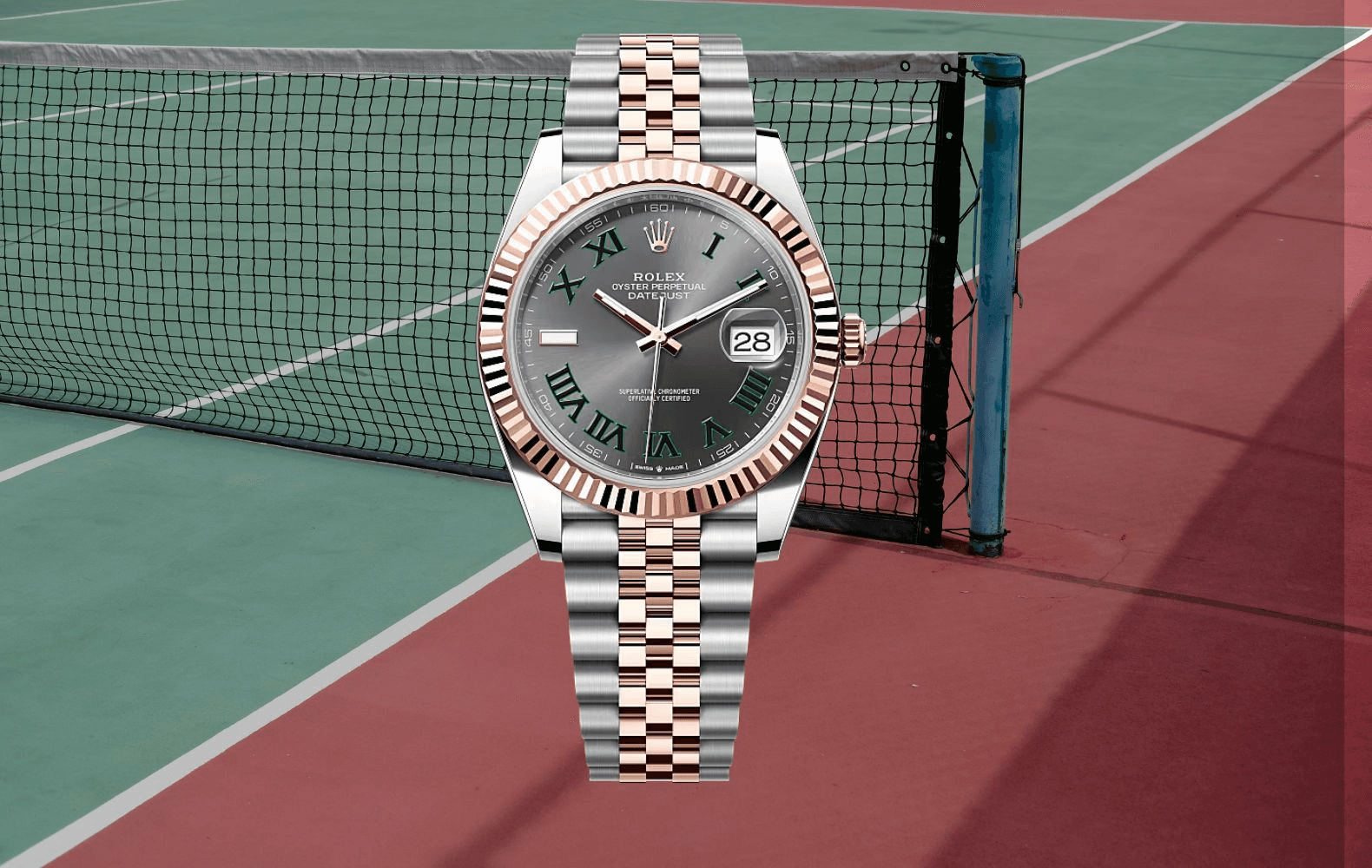
Even tennis, long associated with understated elegance, has entered a new style era. Wimbledon whites continue to inspire seasonal collections, while brands such as Miu Miu and Gucci have embraced preppy sportswear codes through pleated skirts, polo knits and varsity silhouettes. Meanwhile, luxury watchmakers including Rolex, Omega and Richard Mille continue to cement their presence across tennis, golf and Formula 1, proving that fashion's relationship with sport extends far beyond clothing.
The biggest cultural shift, however, is happening in the tunnel.
Pre-match arrivals have become the new red carpet. NBA players started the phenomenon years ago, but football has caught up fast. Players now arrive carrying designer luggage, Bottega Veneta totes, Louis Vuitton Keepalls and Hermès travel bags, turning every stadium entrance into an opportunity for personal style. The "tunnel fit" has become its own content category, with millions tuning in not just to watch the game, but to see what athletes are wearing before kickoff.
And then came the collaborations.
Fashion and sport have entered an era where almost every successful partnership feels inevitable. Adidas continues to collaborate with luxury houses and designers, while Puma has worked with everyone from Coperni to Balmain. Nike remains a favourite canvas for high-fashion reinterpretations, and football clubs themselves have become fashion collaborators, releasing capsule collections that sell out almost instantly.
Why now?
Because athletes have become cultural tastemakers in ways celebrities once exclusively were. They command global audiences, transcend language barriers and influence everything from sneakers to skincare routines. For Gen Z, a footballer walking into a stadium in head-to-toe luxury carries as much influence as an actor stepping onto a red carpet.
Luxury, in turn, is changing too. The industry's biggest currency is no longer exclusivity alone, it's relevance. Sport offers authenticity, community and emotion, qualities that modern consumers value just as much as craftsmanship.
So whether it's a Louis Vuitton trophy trunk being lifted at the FIFA World Cup, a Formula 1 driver arriving in custom tailoring, or a football star carrying a rare Birkin through the players' tunnel, fashion isn't simply inspired by sport anymore.It's playing on the same team.
Editorial Team
Limoncello EditorsEditor at Limoncello.
More from Culture
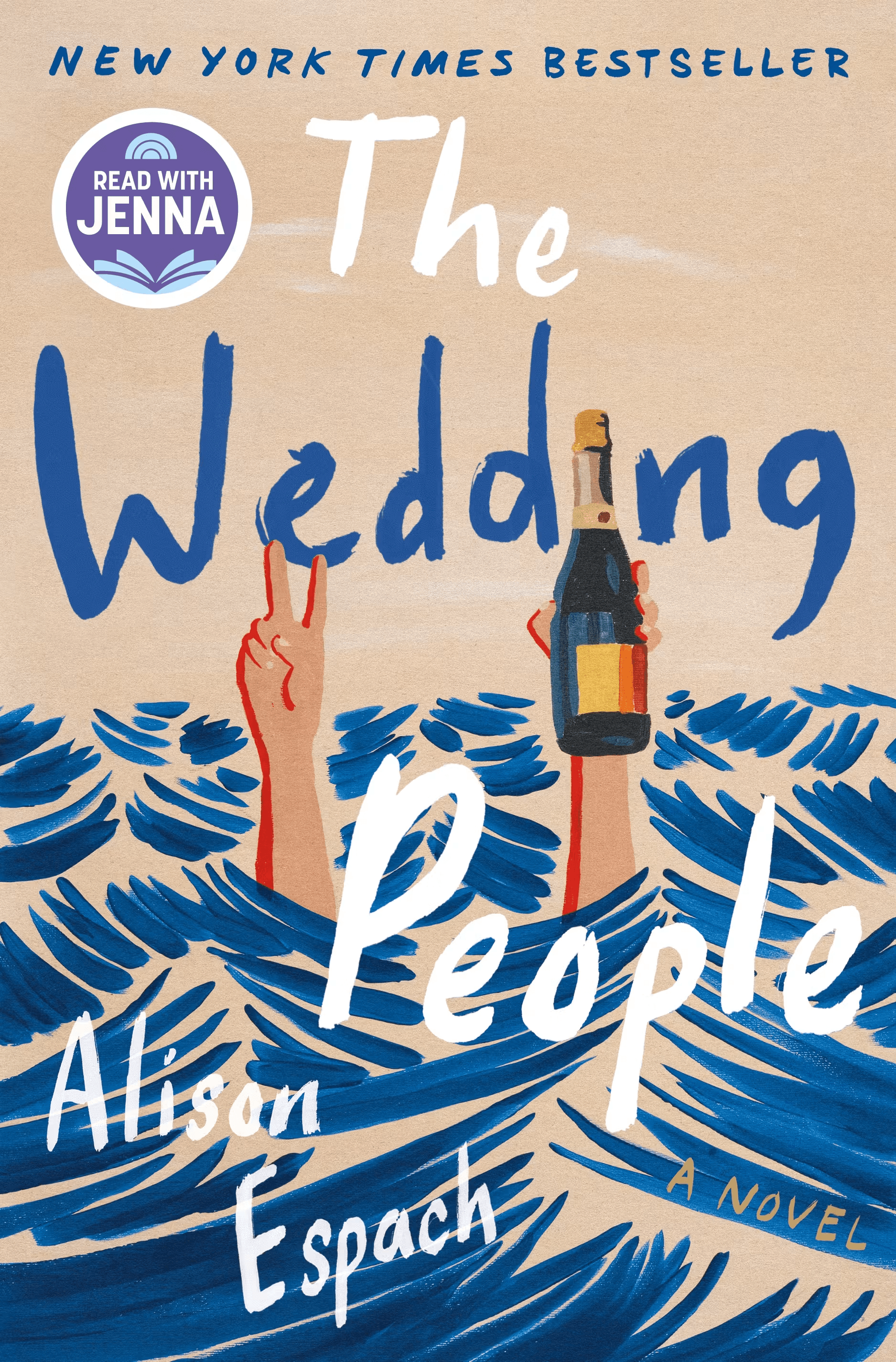
Hot Girls Read, But What Are They Reading?
From Booker-longlisted new fiction to a wedding-weekend fever dream, here’s what deserves a permanent place on your TBR.
Limoncello Editors · 21 September 2026
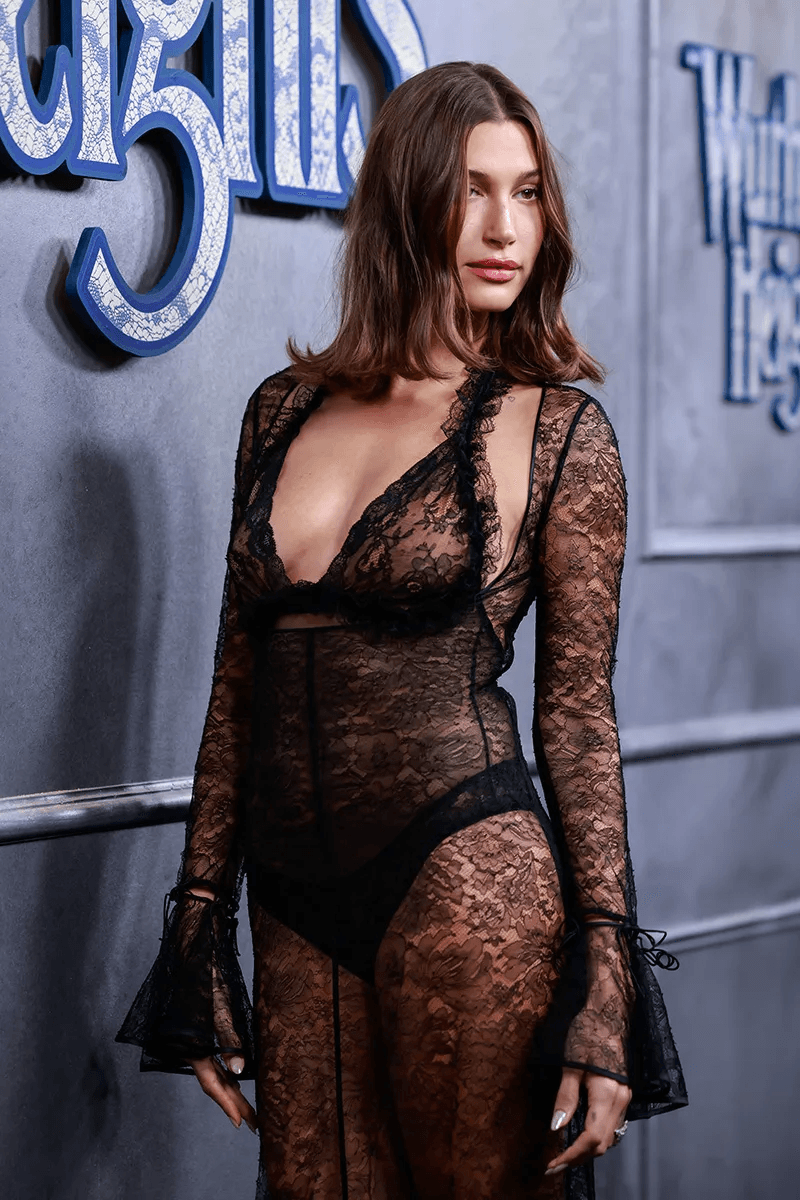
Lace Is Back, But Did It Ever Leave?
This year, lace has continued to show up on red carpets and runways, from Phoebe Bridgers’ floral-lace Alexander McQueen gown at Venice to Nicole Kidman’s black lace Versace at the Practical Magic 2 premiere.
Limoncello Editors · 9 September 2026
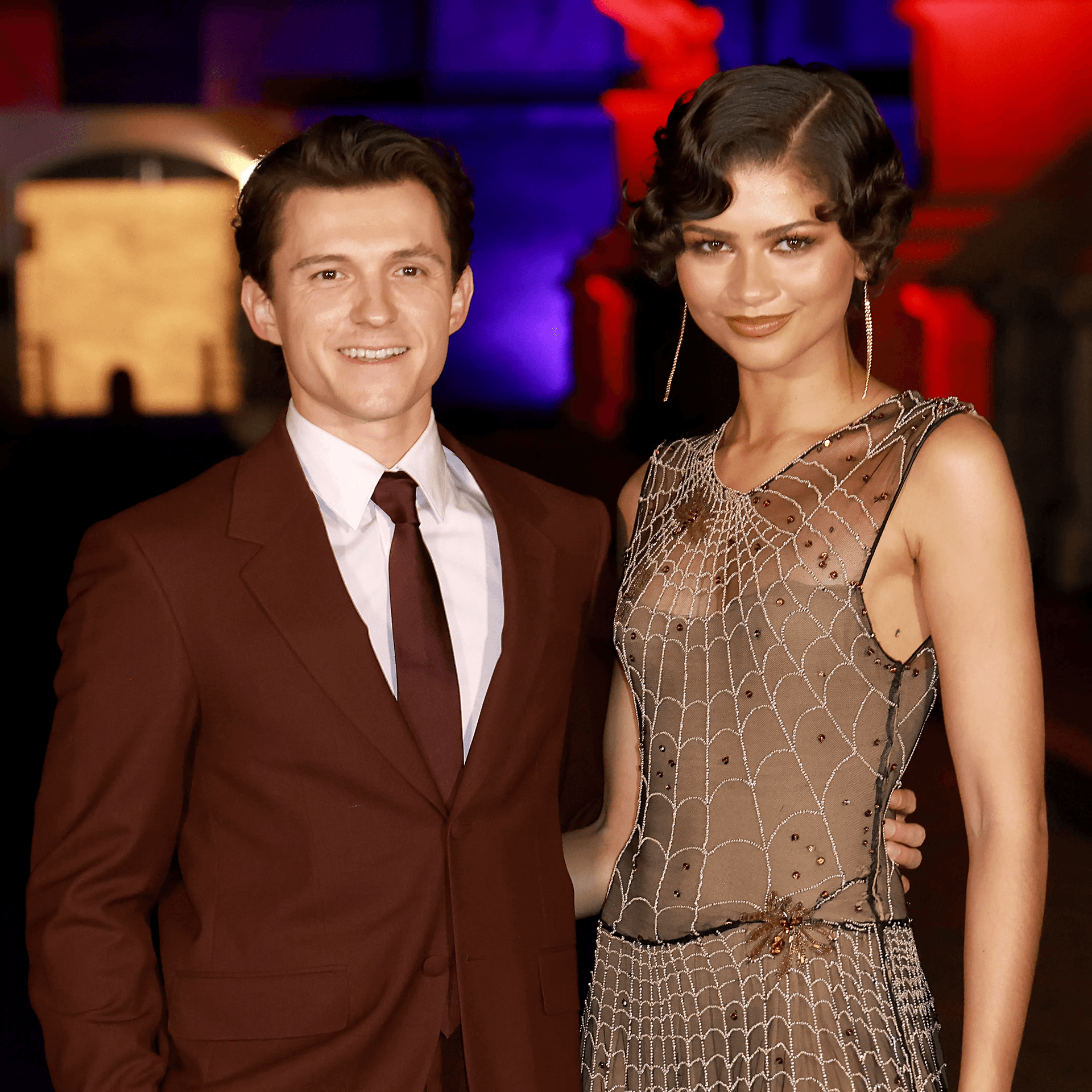
Zendaya’s Press-Tour Style Evolution Since Spider-Man
Long before "method dressing" became Hollywood's favourite buzzword, Zendaya and her stylist Law Roach were quietly writing the playbook. Today, every major press tour seems to come with a fashion narrative. But…
Limoncello Editors · 7 August 2026
The Limoncello Letter
Stories like this, delivered every other Thursday.