

Are We Seeing the Death of Influencer Culture? Decoding the Science Behind It
Somewhere between the endless GRWM videos, discount codes and "you guys, I'm obsessed" brand integrations, the influencer magic seems to be wearing off. Is influencer culture finally losing its influence, or are we simply witnessing its next evolution?

Editorial Team
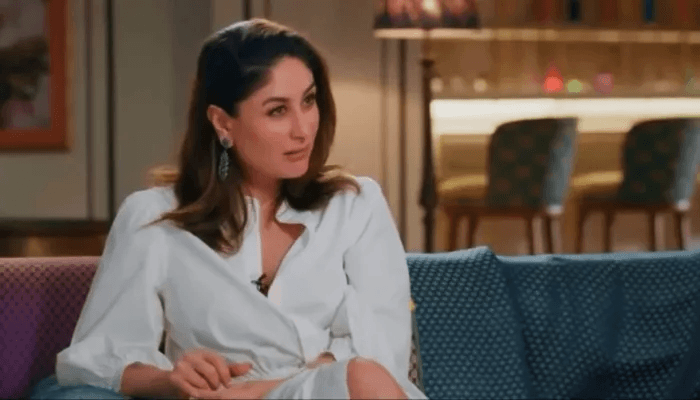
Remember when adding something to your cart because your favourite influencer swore by it felt like taking advice from a friend? A skincare recommendation, a restaurant reservation, a new handbag or even a holiday destination. Chances are, someone's Instagram Story had something to do with it. Influencers became our unofficial shopping consultants, taste-makers and, occasionally, the friends we didn't know we needed.
But somewhere between the endless GRWM videos, discount codes and "you guys, I'm obsessed" brand integrations, the magic seems to be wearing off. Audiences are scrolling past sponsored posts, questioning picture-perfect recommendations and becoming increasingly aware of the business behind the supposedly candid content. So, is influencer culture finally losing its influence, or are we simply witnessing its next evolution? In India, where the creator economy is still booming, the answer is a little more complicated.
The sponsored-content hangover is real
There is a difference between following someone for their personality and feeling like you're watching a 24/7 shopping channel. And consumers seem to be noticing it. Kantar's Creative Effectiveness Awards India 2026 report, which analysed more than 1,500 Indian advertisements, points to early signs of what it calls social or creator fatigue. Receptivity to social media advertising fell around 4% year-on-year, with the decline reaching 7% among Gen Z consumers. More tellingly, while the impact of creator content rose by 77%, only 27% of it effectively linked back to the brand.
In other words, audiences might remember the creator, but that doesn't necessarily mean they remember what they were selling. The report also found that campaigns combining creator content with conventional branded advertising performed better than either format on its own. Perhaps the problem isn't that people have stopped watching influencers; it's that they are becoming less receptive to being sold to every time they do.
The science of trusting someone you've never met
Part of an influencer's appeal has always been the illusion of familiarity. You watch someone share their morning routine, talk about a bad day, take you along on holiday and recommend the moisturiser they supposedly cannot live without. Over time, this repeated exposure can create what psychologists and media researchers call a parasocial relationship – a one-sided emotional connection in which an audience member feels familiar with a media personality, even though the relationship isn't reciprocal.
An Indian study published in the Journal of Relationship Marketing in 2025, involving 749 participants, examined how influencer credibility, perceived authenticity and parasocial relationships shape followers' attachment to creators. It found that credibility and the sense of shared identity or similarity between a creator and their audience play important roles in building that attachment. The takeaway? Influence is not simply about how many people see a post; it is also about how believable and relatable the person behind it feels. But when the same creator endorses everything from luxury skincare to instant noodles in the space of a week, that carefully built sense of familiarity can begin to feel transactional.
Gen Z isn't switching off; it's becoming selective
If anyone was expected to be permanently plugged into influencer culture, it was Gen Z. Yet newer research suggests that younger audiences are increasingly discerning about where they place their trust. A 2026 study published in Frontiers in Communication, based on 370 Gen Z respondents in India's Tier 1 metropolitan cities, found that influencer expertise and content quality positively affected purchase intention. Frequency of exposure, on the other hand, had a negative effect. Simply put, seeing more of a creator doesn't automatically make someone more likely to buy what they recommend; excessive exposure may actually reduce interest.
So, is the influencer business actually dying?
Hardly. In fact, the commercial numbers suggest quite the opposite. WPP Media and Kantar's Influencing with Integrity: India Influencer Marketing Report 2025 estimated the Indian influencer marketing industry at ₹3,600 crore in 2024, forecasting 25% growth in 2025. The report also found that 63% of Indian users turned to influencers for product discovery, 69% for information and 60% for action.
There is also a noticeable shift away from one-off endorsements towards longer-term relationships. This makes sense: a creator who genuinely uses, understands and consistently talks about a product is more likely to make an endorsement feel credible than someone introducing a brand for the first and possibly last time. Meanwhile, niche and regional creators are gaining ground, proving that a smaller but engaged community can be more valuable than a massive following with little connection to the content. And if you’re planning to step foot, there’s still plenty of space.
For brands, too, the brief is changing: audiences want relevance over reach, conviction over constant promotion and a little more personality in their sponsored content. Because when everyone is an influencer, being influential is a different game altogether.
Editorial Team
Limoncello EditorsEditor at Limoncello.
More from Culture
These Luxury Campaigns Are Defining The Festive Season
The festive season is fashion’s favourite excuse to turn up the drama, and 2026’s luxury campaigns are making a rather compelling case for it. From hand-drawn winter wonderlands and lavish hotel soirées to Diwali celebrations rooted in Indian artistry, this year’s maisons are doing more than putting their latest collections under the Christmas tree. They’re building entire worlds around them. Read on.
Limoncello Editors · 5 November 2026
The Luxury World Has Been Busy: Here’s What You Missed
The luxury world doesn’t exactly do quiet weeks. One minute, there’s a new chauffeur-driven indulgence pulling up to the showroom; the next, a watch is drawing inspiration from an iconic Indian deity. And this week, there’s plenty to catch up on.
Limoncello Editors · 29 October 2026

The Secret’s Out: What Actually Makes a Speakeasy?
From phone booths and password-protected doors to cocktails served behind sandwich shops, India’s speakeasy scene is thriving. But when every other bar claims to be a secret, what actually earns it the title? And which are worth finding?
Anushka Manik · 29 October 2026
The Limoncello Letter
Stories like this, delivered every other Thursday.