

The Secret’s Out: What Actually Makes a Speakeasy?
From phone booths and password-protected doors to cocktails served behind sandwich shops, India’s speakeasy scene is thriving. But when every other bar claims to be a secret, what actually earns it the title? And which are worth finding?

Contributing Writer
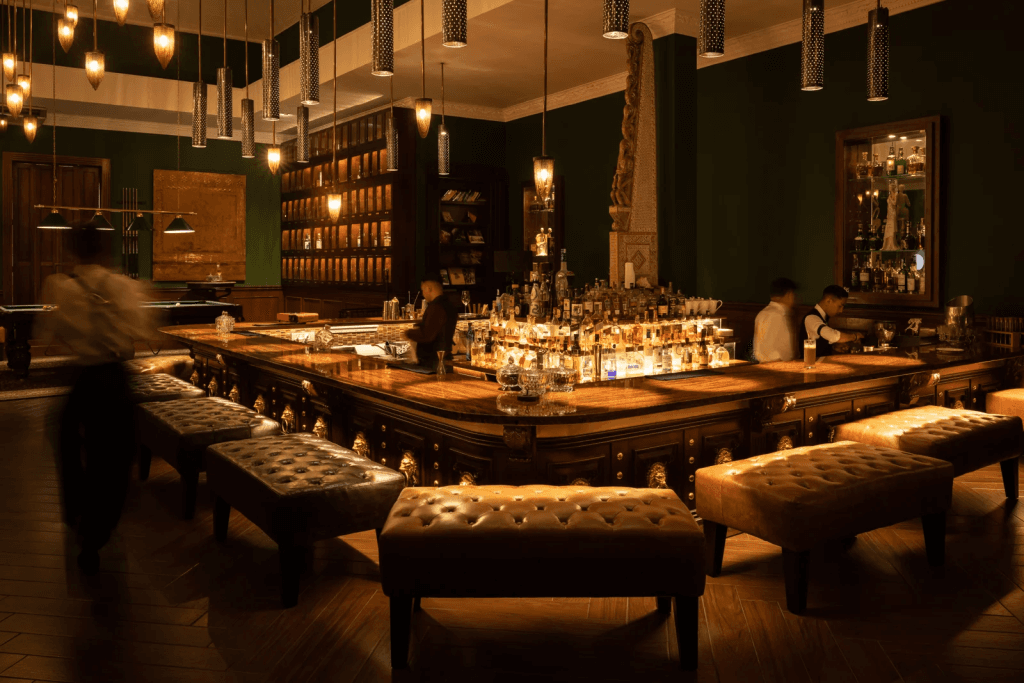
There was a time when finding a bar involved a relatively straightforward sequence of events – locate the entrance, walk in, find a table and order a drink. Today, you might need to locate a sandwich shop, look for a suspiciously inconspicuous door, remember a password, follow a stranger down a flight of stairs or convince yourself that, yes, the unmarked cupboard in front of you probably leads somewhere interesting.
Welcome to the age of the speakeasy, where getting into the bar can feel like a mission of its own.
Across India, the concept has become a nightlife favourite, with establishments hiding behind telephone booths, restaurants, retail spaces and doors that seem to lead absolutely nowhere. Some offer elaborate cocktails in intimate, atmospheric settings; others turn the act of finding them into an experience in itself. The word speakeasy has become so ubiquitous, however, that it begs a question: does a hidden entrance automatically make a bar a speakeasy, or has the term become hospitality’s favourite marketing accessory?
To answer that, we need to go back to a time when secrecy wasn’t a design choice, but a matter of survival.
A little history, straight up
The original speakeasy was born in the United States during Prohibition, which lasted from 1920 to 1933. The nationwide ban on the manufacture, sale and transportation of alcoholic beverages pushed drinking underground, creating clandestine establishments where patrons could gather for a drink without attracting the attention of law enforcement.
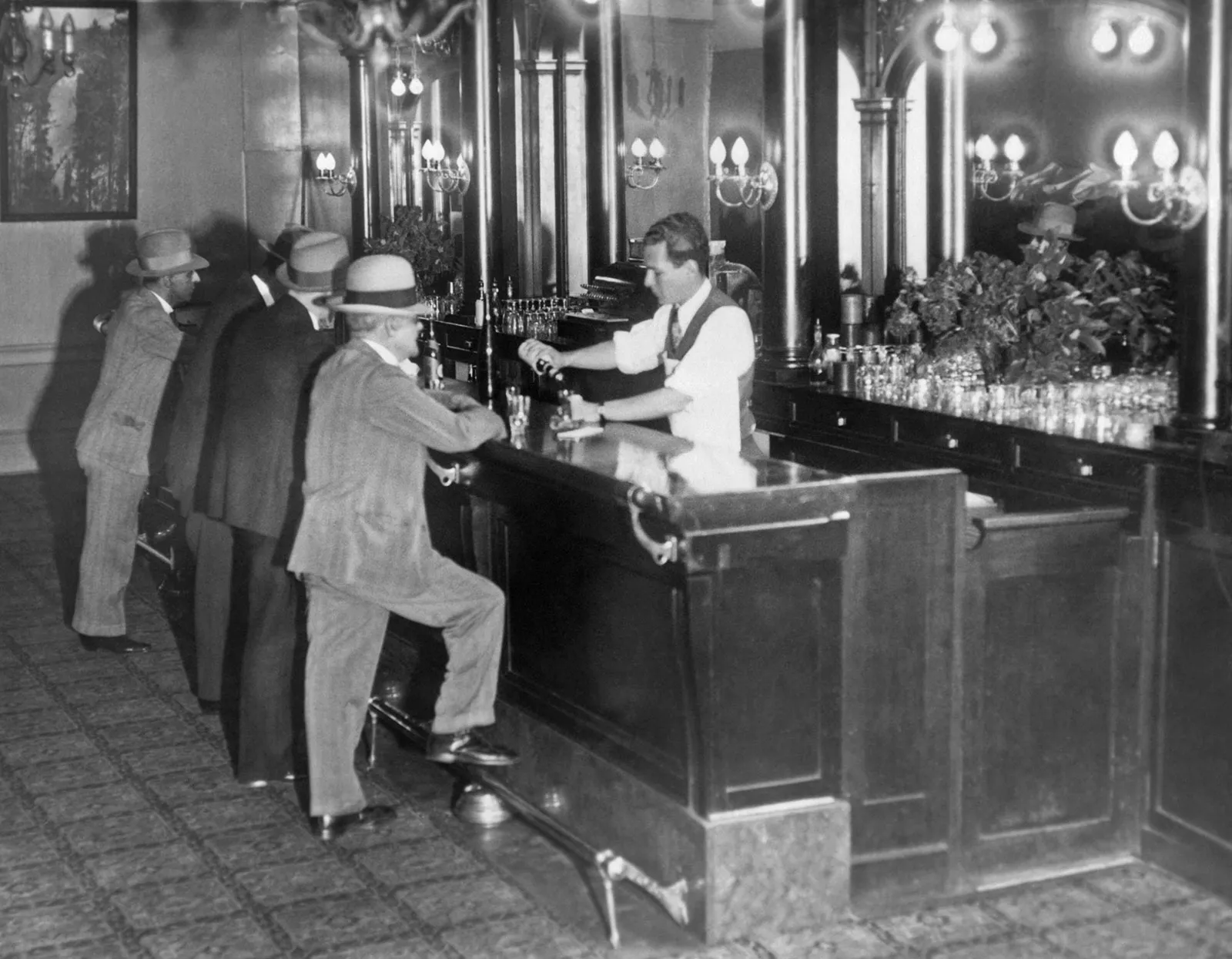
The name itself is believed to refer to the need to speak quietly, or easily, about these establishments and while inside them. In other words, discretion was not an aesthetic; it was the business model.
These drinking dens operated behind legitimate-looking businesses, in basements and private rooms, or through entrances accessible only to those who knew where to look. The secrecy created a sense of community among those in the know, while the illicit nature of the experience added to its appeal. Of course, the reality was considerably less glamorous than the contemporary interpretation: bootlegging, raids and illegally produced alcohol were part of the picture, too.
Prohibition also helped shape the culture of American cocktails. With the quality of illicit spirits often unreliable, bartenders found ways to make drinks more palatable by balancing them with citrus, honey, sugar and other flavours. Classics such as the Bee’s Knees and the French 75 are closely associated with this era, although many cocktails have histories that predate Prohibition or extend beyond it.
When Prohibition ended in 1933, the original reason for operating these hidden bars disappeared. The mystique, however, survived. Over time, the speakeasy evolved from an underground necessity into a hospitality concept built around intimacy, discovery and the feeling of being let in on a secret.
And that brings us to the present day, where the drinks are legal, the lighting is strategically low, and the secret door might be the most photographed part of the establishment.
So, what actually makes a speakeasy?
Here is where things get interesting. There is no universal certification that officially qualifies a bar as a speakeasy. The term has evolved, and contemporary establishments interpret it in different ways. But historically, secrecy and discretion were central to the concept. Today, the best examples build on that legacy rather than relying on a concealed entrance alone.
1. The art of the entrance
A speakeasy should offer a sense of discovery. That could mean entering through a telephone booth, walking behind an otherwise ordinary business or finding an unmarked door. The reveal is part of the experience, but it should lead somewhere that feels worth discovering.
2. A sense of intimacy
Unlike a large nightclub designed around crowds, spectacle and high-volume service, a traditional speakeasy evokes a more intimate atmosphere. Think considered lighting, smaller spaces, conversations that don't require shouting and hospitality that feels personal.
3. Cocktails with a point of view
A hidden entrance might get you through the door, but the drinks should give you a reason to stay. The strongest speakeasies treat the cocktail programme as seriously as the interiors, whether that means executing the classics with precision, experimenting with ingredients or creating a menu that tells a story.
4. An experience that extends beyond the gimmick
A password can be fun. So can a secret staircase. But if the cocktails are forgettable and the service is ordinary, the novelty wears off after the first visit. The best speakeasies understand that secrecy is the opening act, not the entire performance.
Ultimately, a speakeasy is less about how difficult it is to find the bar and more about what awaits once you do. A dark room with a password is simply a dark room with a password if there is nothing distinctive behind the door.
How the speakeasy found its way to India
India's modern speakeasy movement began to take shape in 2012, when cocktail culture was still finding its footing outside hotel bars, lounges and conventional nightlife venues. Dedicated cocktail bars were far less commonplace than they are today, and the idea of making the bar itself the destination was still relatively new.
Two names stand out in this early chapter: PCO in Delhi and Cocktails & Dreams, Speakeasy in Gurugram. Both opened in 2012 and helped introduce a more specialised, cocktail-led approach to going out, albeit with their own interpretations of the Prohibition-era aesthetic.
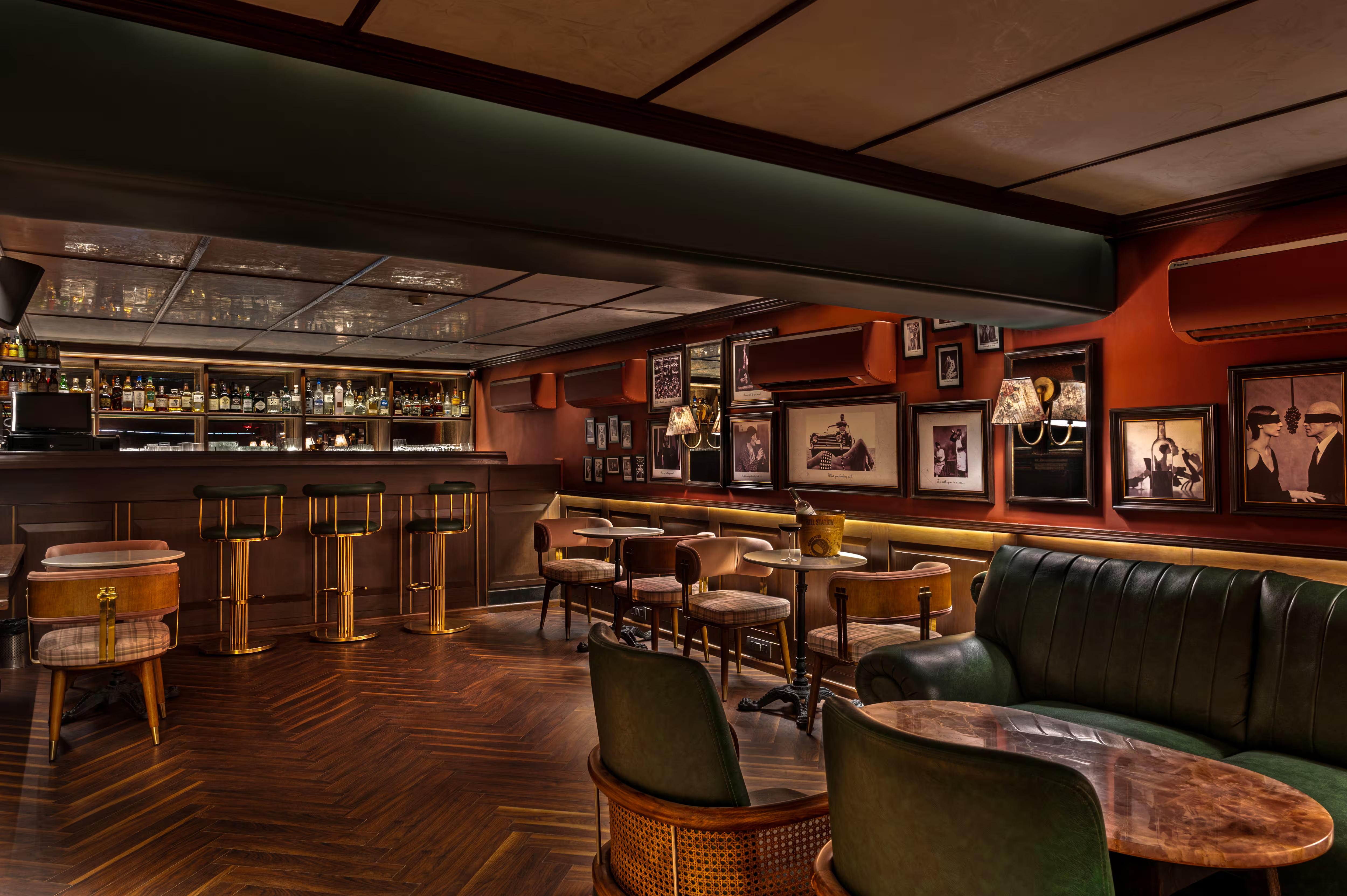
PCO, short for Pass Code Only, was founded by siblings Rakshay and Radhika Dhariwal. Its premise was simple but effective: a discreet entrance, a secret code and a bar that placed cocktails at the centre of the experience. The concept brought a sense of theatre to a city where the idea of travelling specifically for a well-made drink was yet to become commonplace. PCO is widely regarded as one of India's earliest modern speakeasies and a pioneer of the format.
Around the same time, bartender Yangdup Lama and Minakshi Singh opened Cocktails & Dreams, Speakeasy in Gurugram. Its basement setting, vintage-inspired interiors and references to bootleggers and moonshiners offered a more direct homage to the American Prohibition era. Crucially, it was also built around the craft of bartending, classic cocktails and customised drinks rather than simply the novelty of a hidden bar.
These early establishments helped make a case for a different kind of night out: one where the bar wasn't an afterthought to dinner or dancing, but the main event. They also helped create space for bartenders to develop their craft, build relationships with guests and experiment with the format.
Over the years, India's cocktail scene has grown considerably more adventurous. The speakeasy, too, has evolved. Its contemporary incarnation might draw on Japanese listening bars, secret societies, regional ingredients, theatrical service or elaborate storytelling. In some cases, the hidden entrance remains central to the experience; in others, it is merely the first clue to a much larger concept.
Which brings us to the bars worth adding to your little black book.
The speakeasies worth seeking out in India
1. PCO, New Delhi
If India's modern speakeasy movement had a founding chapter, PCO would be an obvious place to start. Opened in 2012 in Vasant Vihar, the bar helped popularise the idea of a cocktail destination that was deliberately discreet. Its telephone-booth-inspired entry and passcode-led access remain part of the appeal, while the interiors nod to the vintage, Prohibition-era world that inspired the concept.
The cocktails are the real reason to linger. PCO has built its reputation around a considered approach to mixology, and its more recent experiments have continued to push the menu beyond familiar combinations. The Director's Room takes the idea of a hidden bar a step further, offering a more private, bespoke experience within the larger establishment.
2. Cocktails & Dreams, Speakeasy, Gurugram
Some bars borrow the aesthetic; Cocktails & Dreams commits to the bit. Founded in 2012 by Yangdup Lama and Minakshi Singh, this Gurugram institution is tucked into an unassuming market, with the actual bar concealed in a basement. The transition from the brighter café space above to the dimly lit, vintage-inspired drinking room below is part of the charm.
Inside, references to bootleggers, moonshiners and the American drinking culture of the 1920s establish the mood without making the experience feel like a theme-park recreation. The programme moves between classic cocktails and contemporary interpretations, while its Whatever You Say approach allows guests to share their preferred spirit and flavour profile and let the bartender take it from there.
For anyone curious about the relationship between India's early cocktail bars and the speakeasy tradition, this is essential homework.
3. The Cloak Society, Bengaluru
At The Cloak Society, housed within The Ritz-Carlton, Bengaluru, the experience begins before the first drink arrives. A discreet approach, a deliberately theatrical entrance and hosts in cloaks set the scene for a bar that leans into the idea of entering a hidden world.
Once inside, the atmosphere is intimate and carefully composed, with inventive cocktails accompanied by thoughtfully paired small plates. The concept takes the traditional speakeasy's sense of secrecy and builds a more immersive hospitality experience around it, making the journey into the bar part of the evening rather than a mere logistical detail.
It is a reminder of how far the format has travelled: from clandestine drinking dens that needed to avoid detection to polished contemporary spaces where the mystery is very much part of the invitation.
4. The Bar Behind The Sandwich Shop, New Delhi
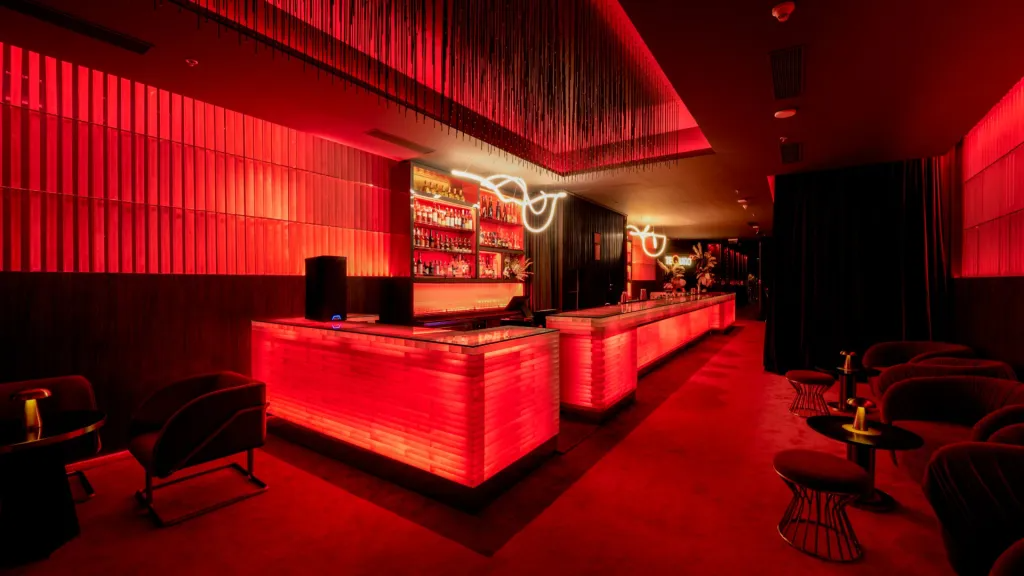
The name is practically an instruction. Located behind Shokupan, the Japanese sandwich shop in Delhi's Priya Market, The Bar Behind The Sandwich Shop keeps things refreshingly understated. There is no big, theatrical announcement of its existence; instead, the discovery comes through the unassuming setting and the discreet entrance behind the shop.
Inside, the focus shifts to intimate surroundings, considered service and well-executed cocktails. It is a particularly good example of why a speakeasy needn't rely on an elaborate password or a dramatic gimmick to work. The concealment feels integral to the setting, and the bar's appeal lies in the quality of the experience waiting behind the door.
In a scene increasingly crowded with secret entrances, this one makes a convincing case for keeping things simple.
5. Lair, New Delhi
Lair shows how the modern speakeasy has moved beyond vintage telephones and leather banquettes. The Delhi bar combines a deliberately atmospheric setting with a cocktail programme that places considerable emphasis on ingredients, including flavours sourced from different parts of India.
Its approach reflects a broader shift in the country's cocktail culture: the desire to move beyond simply recreating international classics and towards drinks with a stronger sense of place. The result is a contemporary interpretation of the speakeasy, where the intrigue comes not only from the surroundings but also from what is in the glass.
6. ZLB23, Bengaluru
Tucked within The Leela Palace Bengaluru, ZLB23 brings together the discreet atmosphere of a speakeasy and the visual language of a Japanese drinking den, with vintage details that nod to the Prohibition era.
Its cocktail programme draws on Asian influences and techniques such as fat-washing, fermentation and clarification, creating drinks that are as considered in their construction as they are in their presentation. The experience feels less like a straightforward night at the bar and more like entering a carefully curated world, where the menu, setting and service work together.
ZLB23 is proof that the speakeasy format can be reinterpreted through a distinct cultural lens rather than simply reproducing the look of 1920s America.
7. Koi Bar, Mumbai
Located at The St. Regis Mumbai, Koi Bar offers a different interpretation of the speakeasy experience. Rather than relying solely on a hidden-door narrative, it draws guests in with an intimate atmosphere and a setting that feels distinct from the larger hotel environment.
It belongs to a wider category of contemporary bars that borrow the speakeasy's sense of exclusivity and mood while adapting it to the modern luxury-hospitality landscape. The emphasis is on a considered evening out, where the atmosphere and drinks carry as much weight as the act of getting inside.
The speakeasy has come a long way from the days when drinking behind closed doors was a necessity. In India, what began as a relatively niche format has become an influential part of the cocktail landscape, encouraging a more drinks-led approach to nightlife and giving bartenders greater room to experiment.
But with the term now attached to everything from concealed basement bars to elaborate luxury-hotel experiences, the distinction between a genuine speakeasy-inspired concept and a regular bar with a clever entrance has become increasingly blurred.
Because, really, a password is only exciting the first time. A well-made cocktail, a bartender who understands what you like and a room you want to return to? Those are worth keeping a secret.
Contributing Writer
Anushka ManikEditor at Limoncello.
More from Culture
The Luxury World Has Been Busy: Here’s What You Missed
The luxury world doesn’t exactly do quiet weeks. One minute, there’s a new chauffeur-driven indulgence pulling up to the showroom; the next, a watch is drawing inspiration from an iconic Indian deity. And this week, there’s plenty to catch up on.
Limoncello Editors · 29 October 2026

Venus Is in Retrograde for the 75,728th Time. What Does It Mean for Your Zodiac Sign?
Bad dates, questionable decisions and the sudden urge to text your ex? Blame the stars. Or don't. Here's what Venus retrograde could mean for your zodiac sign.
Limoncello Editors · 29 October 2026
Bvlgari Launches Global Diwali Campaign in Jaipur ‘Passing the Light’
From 4,500 hand-sculpted terracotta elements to the unmistakable curves of Serpenti, Bvlgari’s first global Diwali campaign brings Indian craftsmanship and Roman heritage into conversation through artist Doyel Joshi.
Limoncello Editors · 15 October 2026
The Limoncello Letter
Stories like this, delivered every other Thursday.