

Is “Nobody Wants Us 2” Abandoning Its Own Plot?
When Nobody Wants Us burst onto our screens in Season 1, it held promise as a modern love story steeped […]

Contributing Writer

Is “Nobody Wants Us 2” Abandoning Its Own Plot?
When Nobody Wants Us burst onto our screens in Season 1, it held promise as a modern love story steeped in cultural tension and hope. At its centre were two characters who felt like opposites yet complementary. Joanne, who is fiercely independent, rooted in her identity, and unwilling to convert despite pressure; and Noah, who is supportive, understanding, seemingly ready to love her as she was. Together they embodied an alternative narrative: a relationship built not on compromise of self, but on acceptance.
But as Season 2 unfolded, the emotional ground shifted. The narrative pivoted. Rather than Joanne holding firm and Noah offering flexibility, we now see Noah drawing the boundaries. He won’t move in with Joanne. He won’t accept her “space of uncertainty” around conversion. Suddenly the support is borderline conditional. The alliance feels transactional, rather than tender.
Where it all began
In Season 1, Joanne’s refusal to convert was not a dramatic plot device, it was character. Her conviction glowed in every scene; be it during family dinners, in quiet moments of resistance, in the look she gives when someone suggests her decision might cost her future together. It wasn’t about stubbornness, but about identity and agency. Noah stood by her not as a saviour, but as a partner. He didn’t demand change, he offered it.
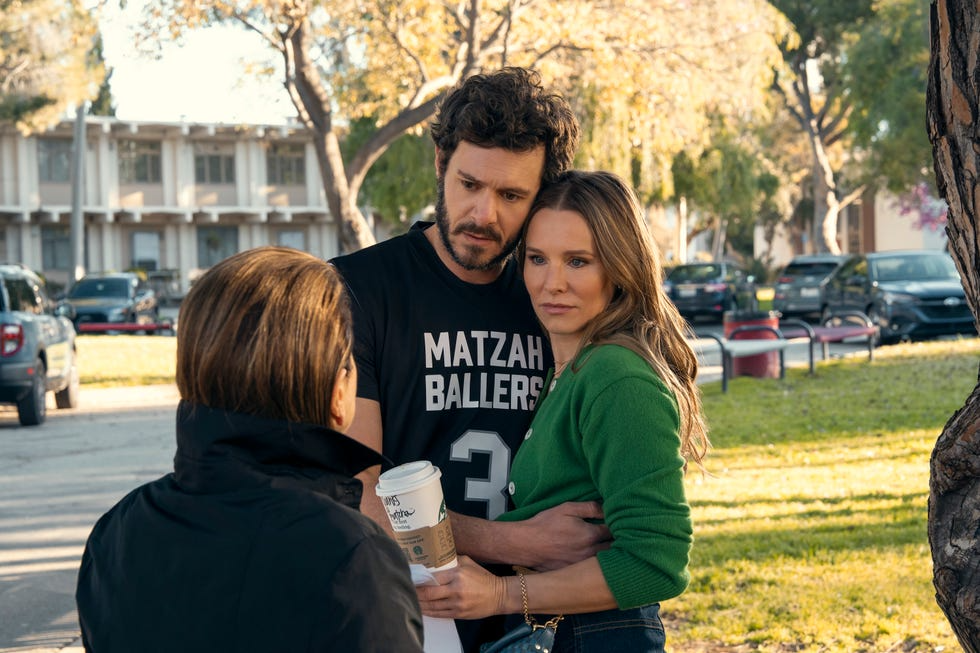
Here was a story that whispered: you can love deeply without losing yourself. It resonated because it felt rare.
Fast-forward to Season 2, and the script flips. Noah’s patience thins. He frames the “future” as contingent on Joanne’s conversion. He won’t share space with her unless she commits. The power dynamics invert. Joanne’s internal debate becomes the obstacle; Noah’s withdrawal becomes the new logic.
One might argue the show is exploring realism; love isn’t always unconditionally supportive, and even “modern” men carry silent cultural expectations. If that’s the intent, fine. But the problem lies in execution. The shift feels abrupt, under-explored and at odds with the emotional foundation laid by Season 1. What began as a story of resisting assimilation turns into a story of assimilation as prerequisite.
The emotional and cultural stakes
Why does this matter? Because the show’s core promise was about cultural identity, not just romance. At a time when many Indian viewers confront questions around conversion, marriage and tradition, Nobody Wants Us offered a radical framing: love could bridge difference without erasing difference. Joanne’s journey and Noah’s support held that possibility.
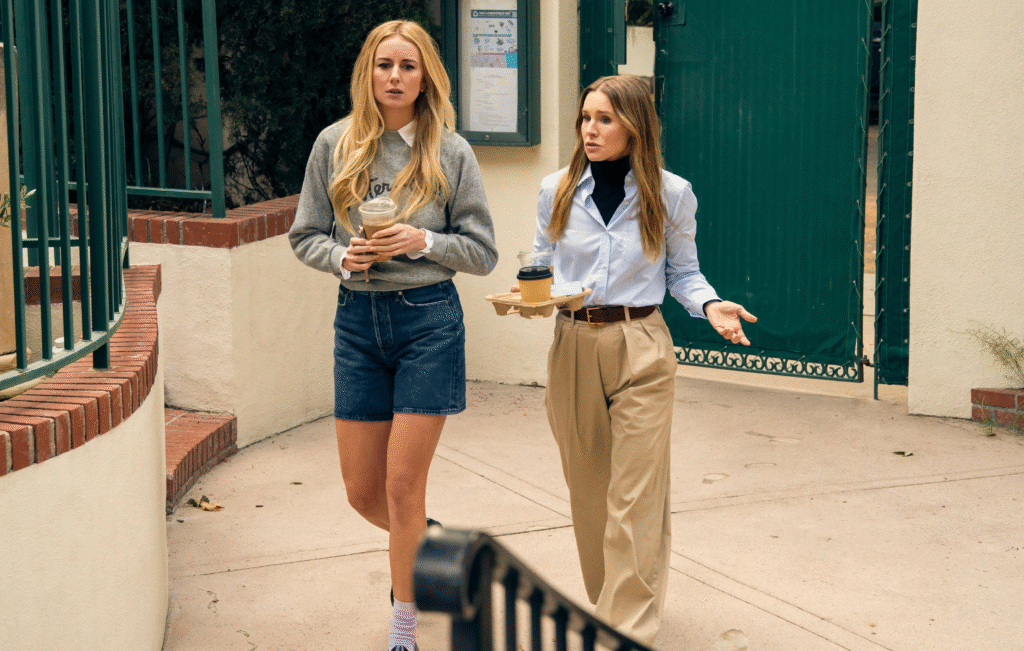
Yet, in reducing the narrative to a change or compromise conditional, the show slips into a more familiar, less aspirational terrain. Instead of asking “how do we love each other despite difference?” it asks “will you change or we’ll not share our future?” The stakes shift from cultural dialogue to ultimatum.
Is this creative choice or narrative slip?
If the writers are intentionally illustrating that even the most progressive relationships carry unspoken expectations, then the show is digging deep. The inversion of roles could be a mirror held up to modern patriarchy – that the partner we think is “unconditional” still carries thresholds. If that is the intention, then we need more time and depth to see it play out meaningfully.
However, if the writers simply wanted plot twists, dramatic tension or a conventional “commitment equals conversion” arc, then the show risks betraying its own emotional logic. Viewers invested in Joanne and Noah’s mutual respect now feel a silent betrayal.
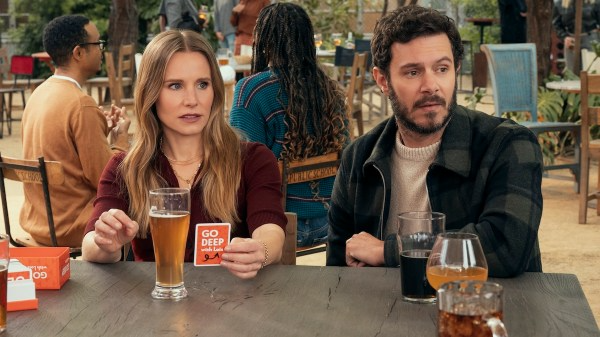
What happens next?
There are two paths ahead. One is the show earns the inversion. We see Noah grapple with his own culture, his own expectations and the cost of asking for change. Joanne resists not just conversion-pressure but also the relational cost of “becoming” for someone else. The show deepens, becomes messier, more real.
Or, the show slides into formula. Joanne converts, conflict resolves, Noah moves in. The promise of Season 1- love without erasure fades quietly into the background.
If you’re watching, keep the remote handy because you’re not just watching a couple navigate difference. You’re watching what happens when the story we wanted collides with the story that’s easier.
And in the coal-dust of that collision, you’ll see whether the show stays bold or becomes anything but.
Contributing Writer
Anushka ManikEditor at Limoncello.
More from Culture
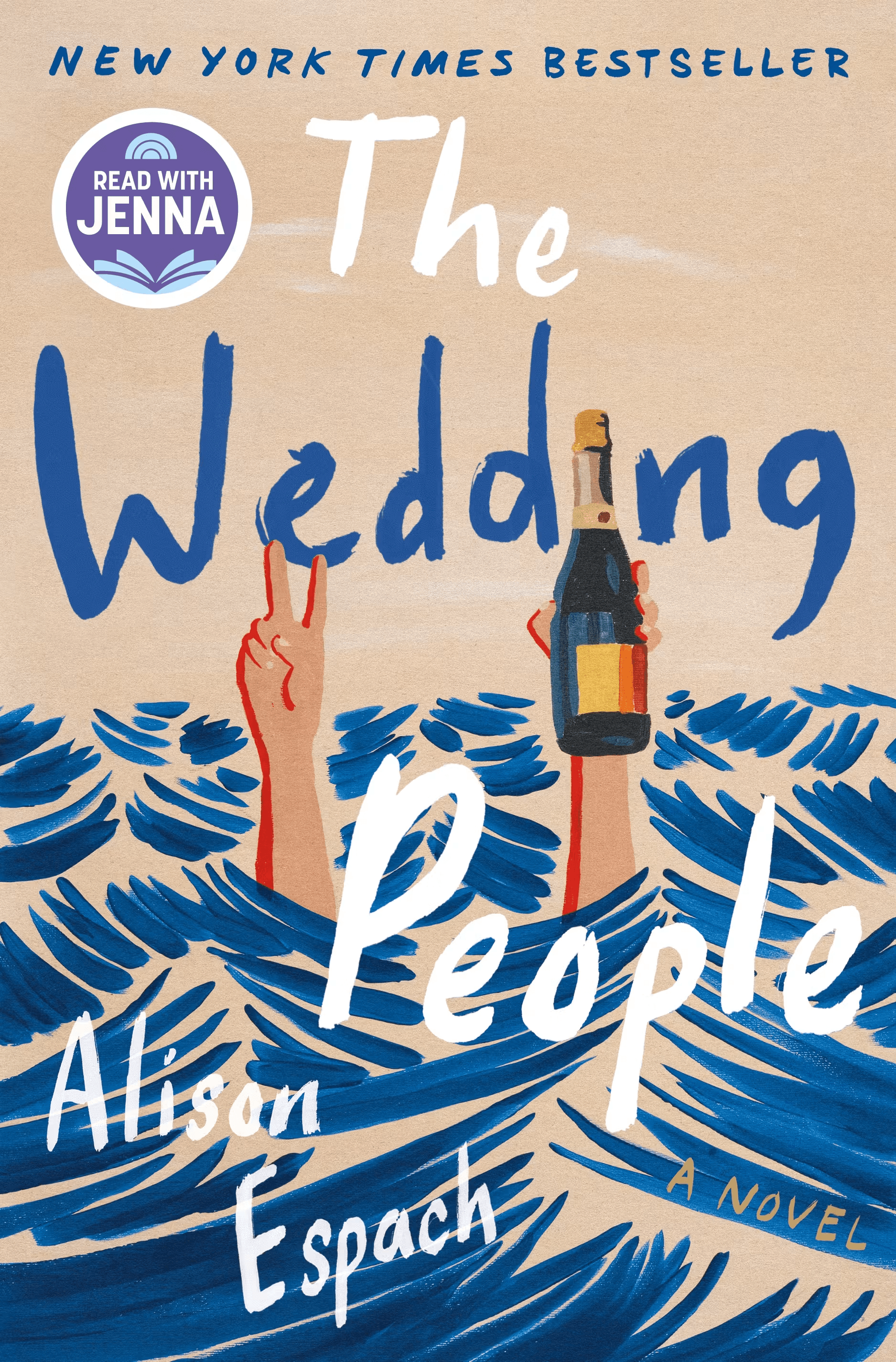
Hot Girls Read, But What Are They Reading?
From Booker-longlisted new fiction to a wedding-weekend fever dream, here’s what deserves a permanent place on your TBR.
Limoncello Editors · 21 September 2026

Lace Is Back, But Did It Ever Leave?
This year, lace has continued to show up on red carpets and runways, from Phoebe Bridgers’ floral-lace Alexander McQueen gown at Venice to Nicole Kidman’s black lace Versace at the Practical Magic 2 premiere.
Limoncello Editors · 9 September 2026

Zendaya’s Press-Tour Style Evolution Since Spider-Man
Long before "method dressing" became Hollywood's favourite buzzword, Zendaya and her stylist Law Roach were quietly writing the playbook. Today, every major press tour seems to come with a fashion narrative. But…
Limoncello Editors · 7 August 2026
The Limoncello Letter
Stories like this, delivered every other Thursday.