

From Tennis Court to Fashion Court: Anita Dongre’s ‘Love All’ Sparks a Debate
The grey area between inspiration, influence and imitation

Contributing Writer
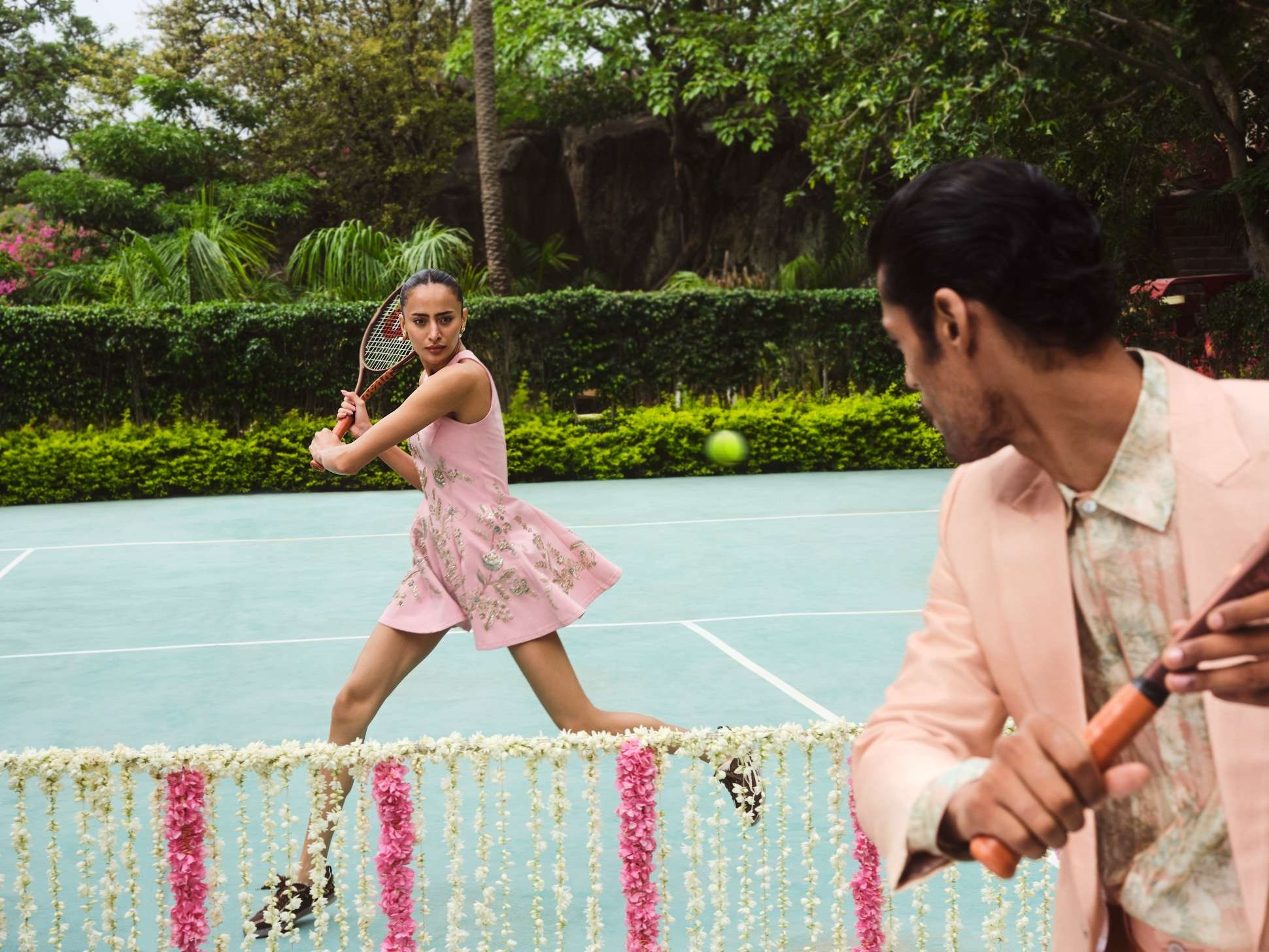
Fashion has always taken cues from society. It borrows from art, architecture, cinema, history, subcultures, street style and, increasingly, from the internet. A silhouette travels from one runway to another; a colour palette suddenly appears everywhere; a styling trick catches on and becomes a season’s visual shorthand. It is, in many ways, how fashion moves forward.
But what happens when inspiration starts looking a little too familiar?
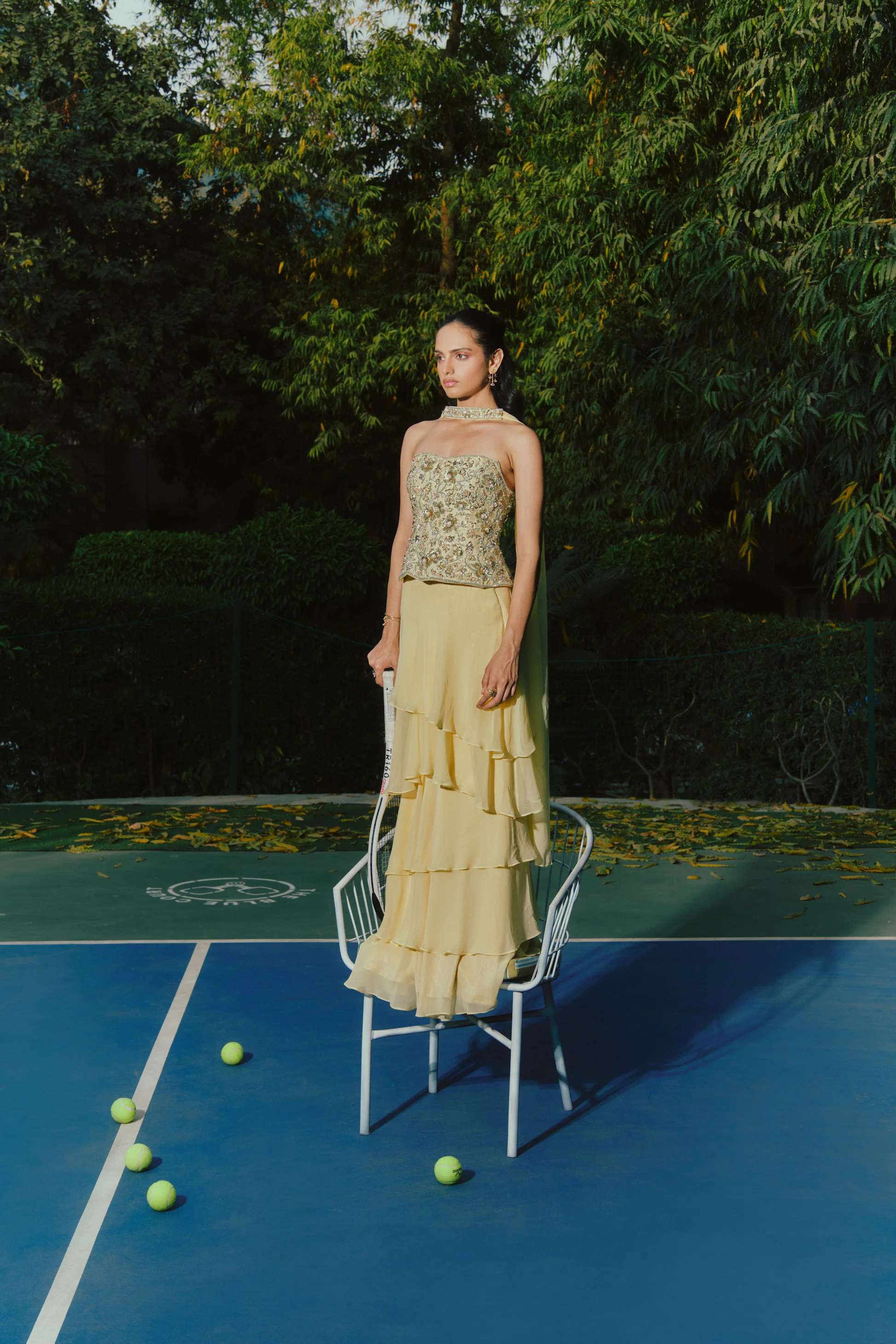
That is the question currently doing the rounds on social media after Anita Dongre’s latest campaign placed Indian occasion-wear in an unmistakably sporty setting amidst racquets, courts, movement and women dressed in Indian silhouettes, prompting comparisons with an earlier campaign by the smaller label Ada by Mehar. The latter’s “Lucky Serve” campaign had similarly used racquet-sport imagery to place sarees in a contemporary, athletic context. Independent posts describing the Ada by Mehar campaign point to its tennis/pickleball-court setting and its deliberate contrast between traditional Indian dressing and sport.
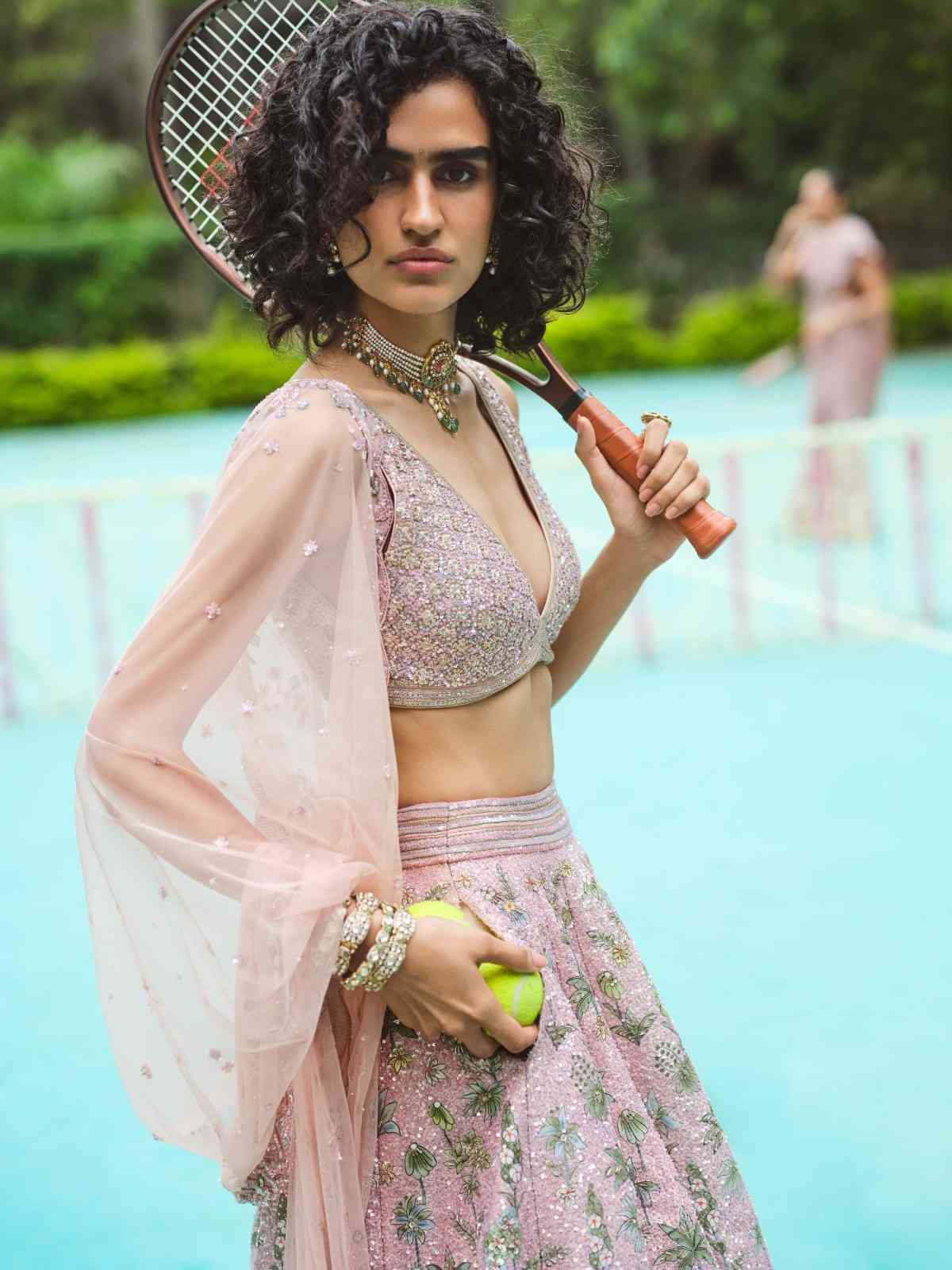
And then there is the detail that has made the internet particularly interested: the name.
The conversation is not simply about a saree photographed on a sports court. No designer can realistically claim ownership over the idea of a racquet, a tennis court or even the broader “fashion meets sport” visual language. Sportswear and fashion have been colliding for decades. The problem, as the criticism goes, is the accumulation of similarities. The setting, the visual language, the styling and, according to social media discussions, even the use of a similar campaign name. That is where the conversation becomes less about a broad trend and more about whether a reference has crossed into something uncomfortably specific.
This is where fashion’s favourite defence ‘but everything is inspired by something’ starts to become complicated.
Influence is inevitable. Imitation is where intent starts to matter.
There is a difference between seeing a cultural shift and building on it, and seeing another designer’s very specific creative idea and recreating its vocabulary. The former is influence. The latter can begin to feel like imitation. And somewhere between the two lies the enormous, frustrating grey area that fashion has never quite figured out how to police.
And this debate becomes particularly interesting when the power dynamics of the industry enter the picture.
Mehar, in her video, clarified that she did not believe Anita Dongre had copied her campaign outright, but felt the new campaign appeared to be “inspired” by it, pointing to what she described as similarities in the shots used in the brand’s campaign videos. While acknowledging that creative ideas can converge, she questioned the optics of the situation, particularly given the difference in scale between an established house like Anita Dongre and a newer, independent label. Her larger point was about visibility: when smaller designers are fighting to make their work stand out, what happens when a much bigger brand arrives with a similar idea and a far larger platform?
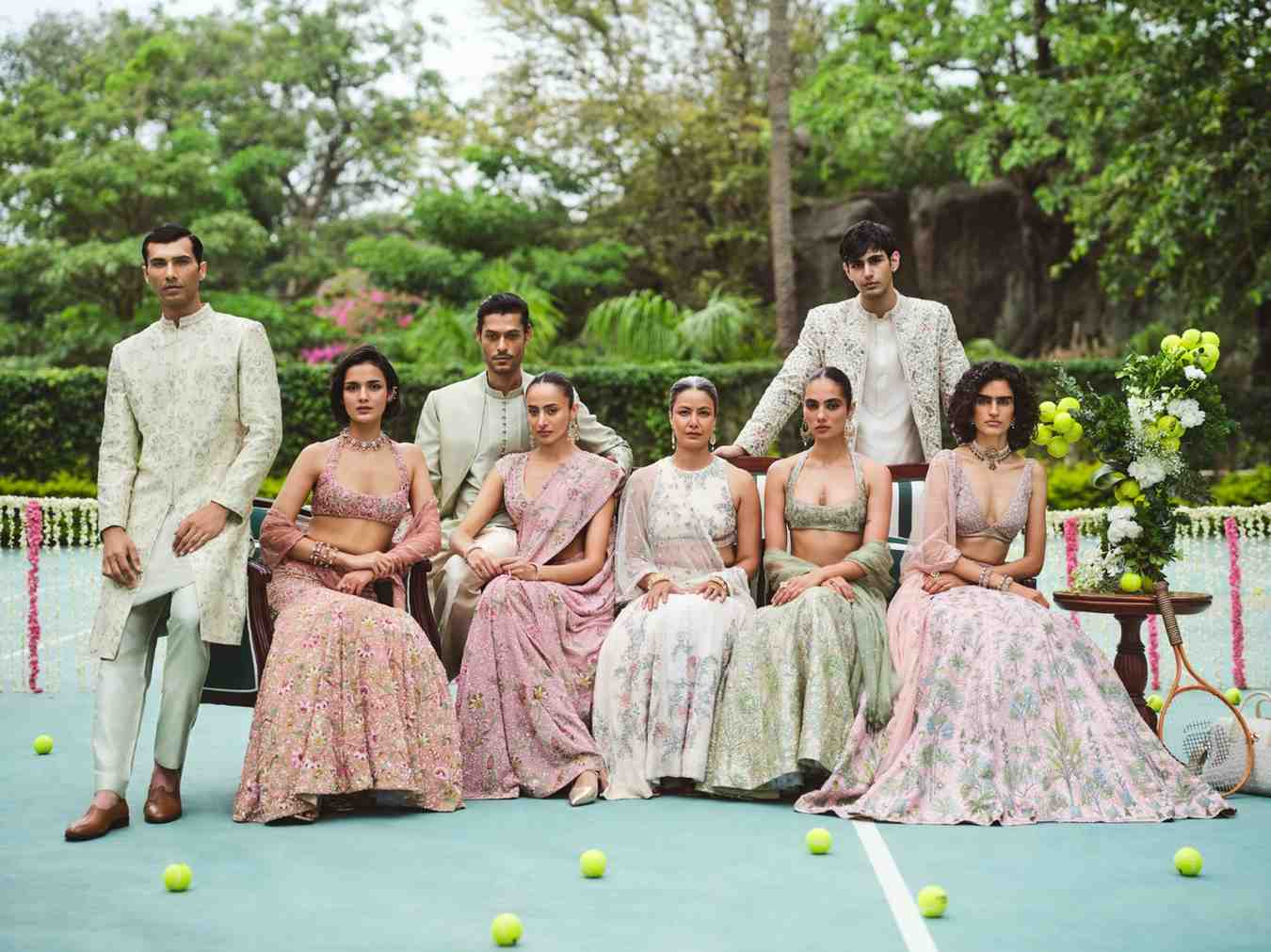
Established names, by virtue of their scale and recognition, are far more likely to command the top spots, headlines and wider media attention, while newer labels can find themselves fighting just to be seen. And that, perhaps, is the more uncomfortable question at the heart of this debate: when a big brand draws from an idea associated with a smaller one, does the power of the name inevitably erase the person who had the idea first?
A similar concern was raised by Sachi, who took to Instagram on August 15 to point out that her 2023 collection, also titled Love All, explored the “juxtaposition of tennis, sport and Indian fashion”, a combination that features prominently in Anita Dongre’s latest campaign, which shares the same name. Sachi was careful to acknowledge that “similar ideas can happen independently”, but said what made this instance particularly significant to her was an interaction from a year earlier, when ideas from her campaign had been shared with a “significant member” of Anita Dongre’s creative team and, according to Sachi, were “personally and specifically” acknowledged. For her, the question was less about ownership of tennis as a concept and more about the absence of credit and acknowledgement for creative ideas originating from smaller designers.
Just yesterday, Anita Dongre took to her ‘gram to respond to the concerns in a statement, acknowledging that she had “heard, seen and understood” what the independent designers had raised. She also spoke to the emotional labour of building a brand, writing, “I know what it is to pour your heart into an idea and build something from nothing,” adding that as women building their own brands, they understand that feeling particularly deeply. On the creative origins of her latest collection, Love All, Dongre said it was rooted in “love, equality and partnership”, with the idea of a tennis volley becoming a metaphor for a relationship between equals. “Love All. Zero Zero,” she explained, framing the campaign as an extension of that central idea rather than a reference to another designer’s work.
An established house such as Anita Dongre operates at an entirely different scale from an independent label. Dongre’s brand has built a significant international footprint around Indian craft and contemporary silhouettes, with recent collections and campaigns continuing to position traditional techniques in modern contexts. Ada by Mehar, meanwhile, is an independent Indian label whose own brand language centres on making Indian wear feel contemporary, customisable and easier to wear.
That difference in scale is precisely why these conversations matter.
For a large brand, an idea seen on Instagram can become a campaign, a production, a celebrity moment and, eventually, a piece of commercial machinery. For a smaller designer, that same idea may represent months of thinking, experimenting, shooting and trying to convince people to pay attention in the first place. When the bigger brand arrives with a much larger megaphone, the original creator can disappear from the conversation altogether.
Of course, there is another side to this. Parallel thinking is real. Fashion is full of coincidences. Designers respond to the same cultural mood, consumers gravitate towards the same references and, in an era where tennis has become as much a lifestyle aesthetic as a sport, the collision of courts and fashion isn't exactly an outlandish thought. The recent popularity of tennis-inspired fashion, from pleated skirts to polo silhouettes, has made the court a ready-made visual shorthand for an aspirational, sporty-luxe lifestyle.
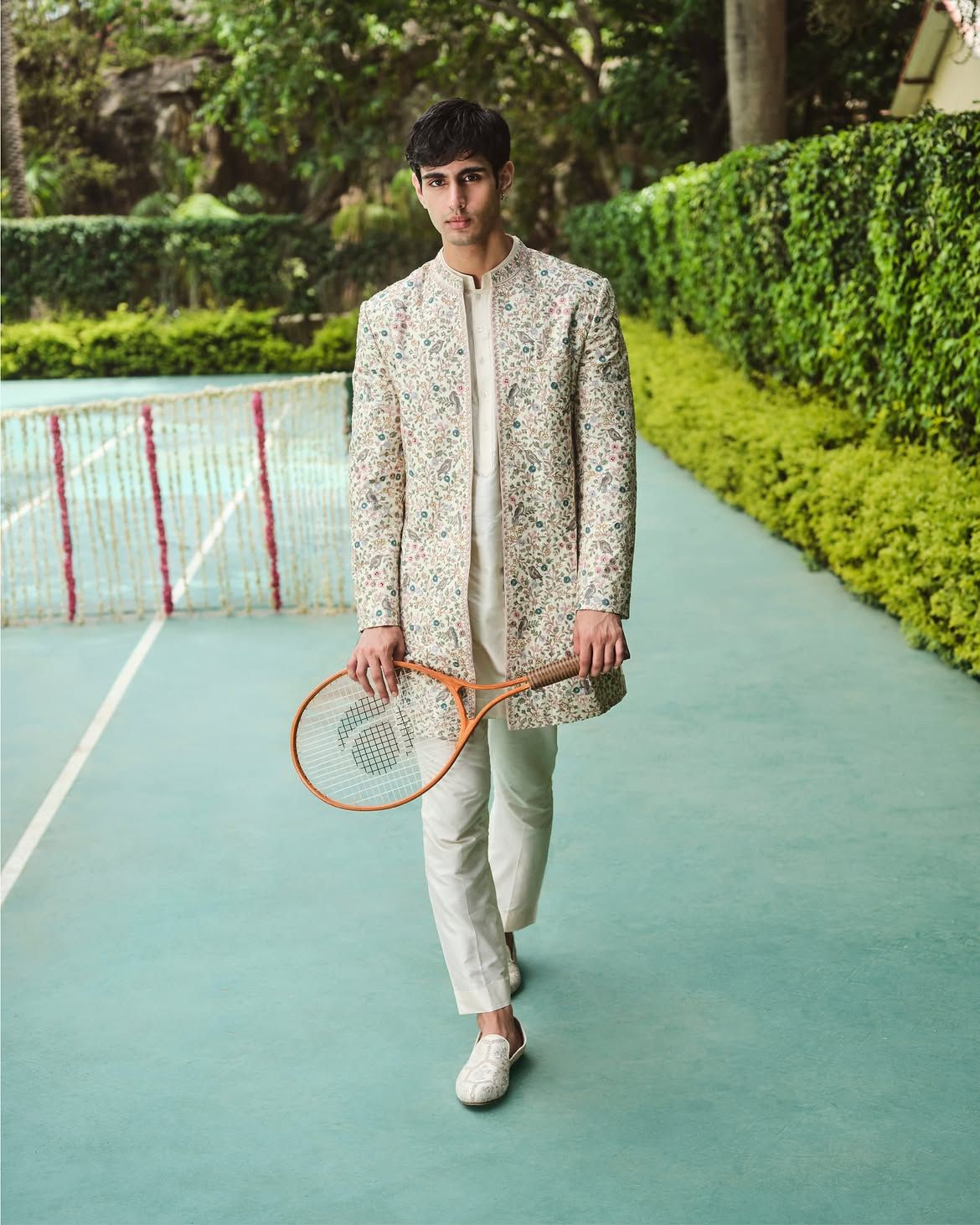
So perhaps the question isn't simply: Who thought of tennis first? It is: How much specificity is too much specificity?
If the idea is broad, Indian clothing on a sports court, it belongs to the cultural conversation. If the reference becomes increasingly specific, from the concept and styling to the campaign language and execution, the creative distance between inspiration and imitation becomes harder to ignore.
And perhaps this is where fashion needs a new etiquette.
Not necessarily a rulebook, but an understanding that credit is not a weakness. Acknowledging a smaller designer, photographer, stylist or artist whose work sparked an idea does not diminish a larger brand. If anything, it demonstrates confidence. Fashion has always been a conversation between creators. There is no shame in saying, we saw this, it made us think, and we took it somewhere else.
The problem begins when the conversation becomes one-sided.
Because ultimately, this isn't really about Anita Dongre, Ada by Mehar or a tennis court. It is about what happens when an industry built on references meets a digital world where every reference has a timestamp, a screenshot and a search history.
In 2026, the internet remembers who served first.
More from the Shop
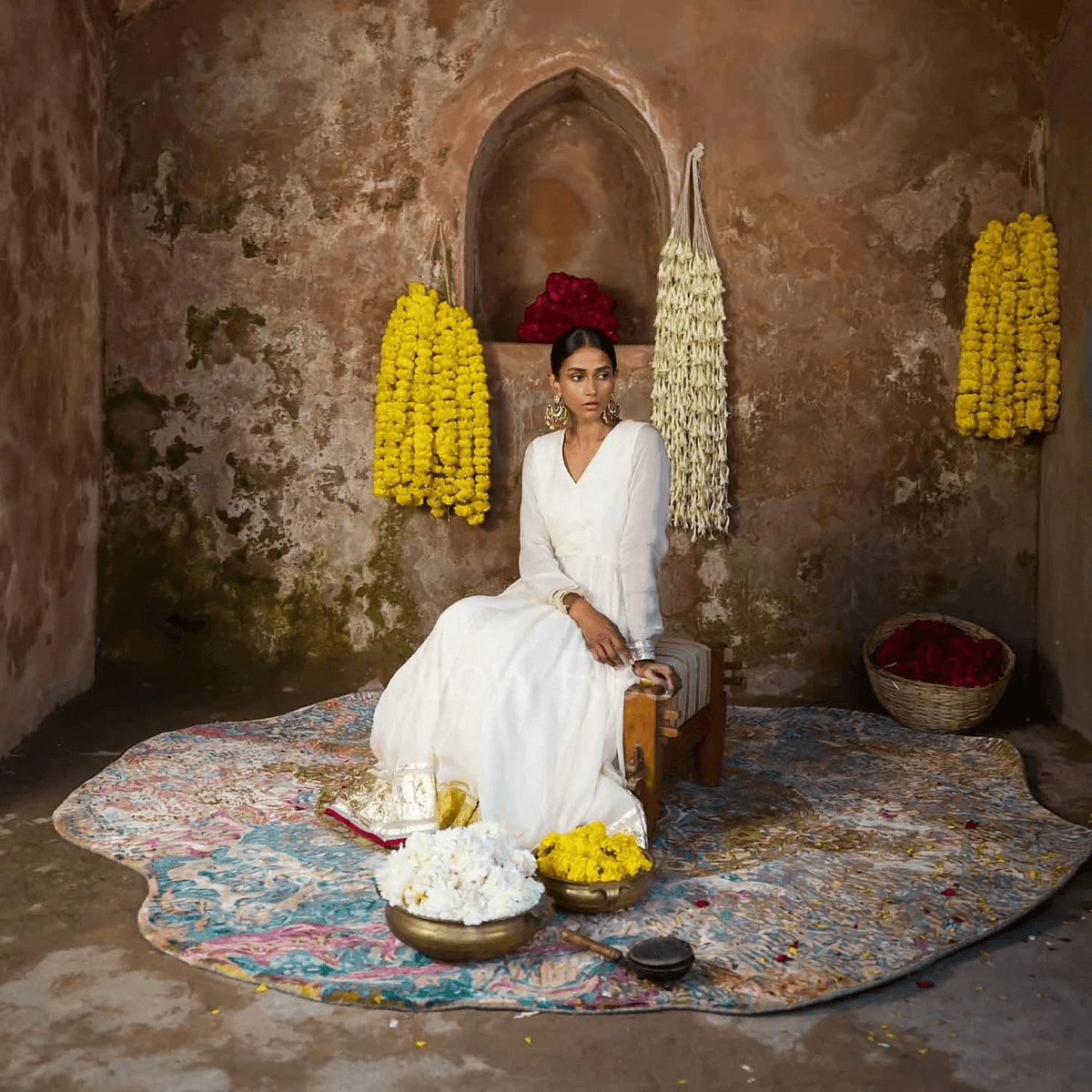
Roll Out the Festive Season with These Carpets ft. OBEETEE
The festive season is all about dressing up, and your home deserves the same treatment. From rich colours to intricate motifs, these five OBEETEE carpets are made to bring warmth, character and a little extra grandeur to your festive spaces.
Limoncello Editors · 3 September 2026
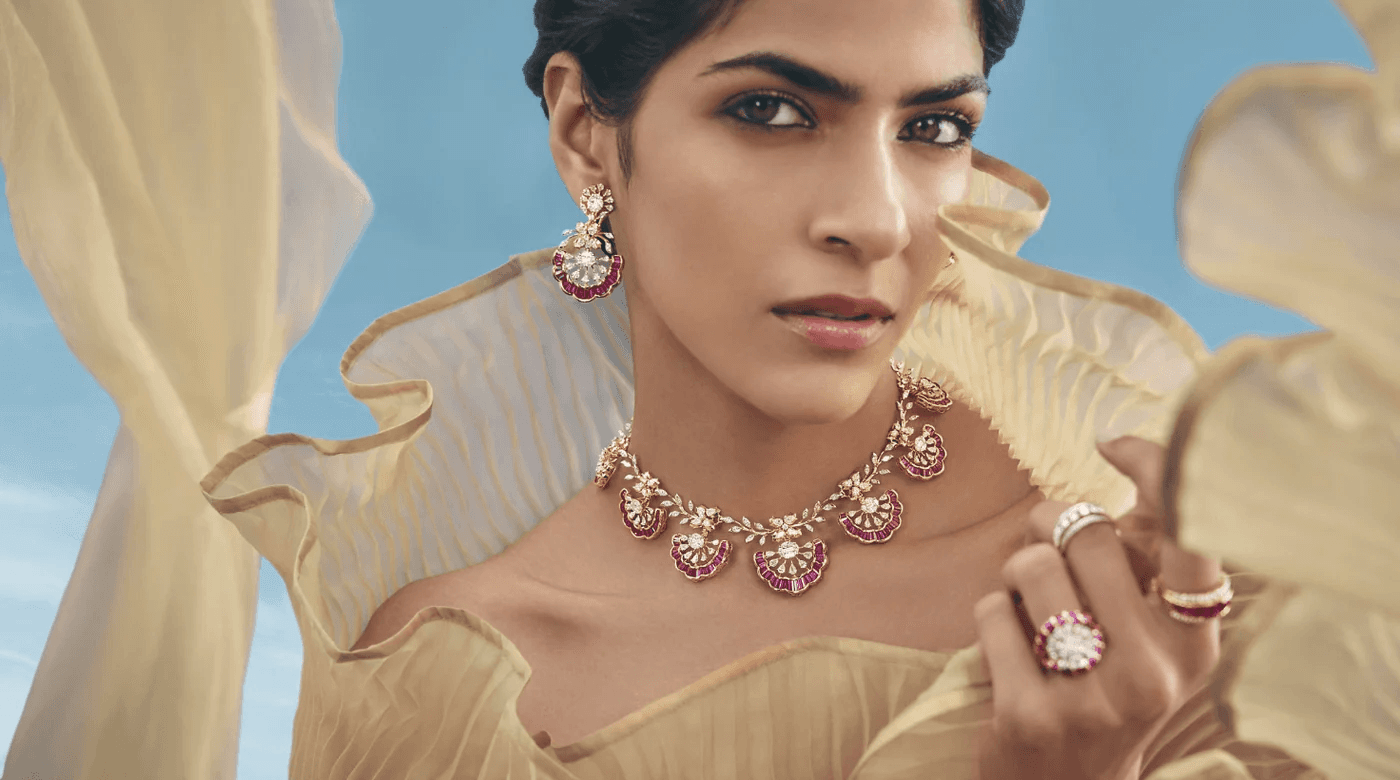
Which Jewellery Girl Are You? The 5-Piece Irasva Edit
We’ve picked five House of Irasva pieces for five very different jewellery personalities. Find yours, and consider your next obsession sorted.
Limoncello Editors · 1 September 2026
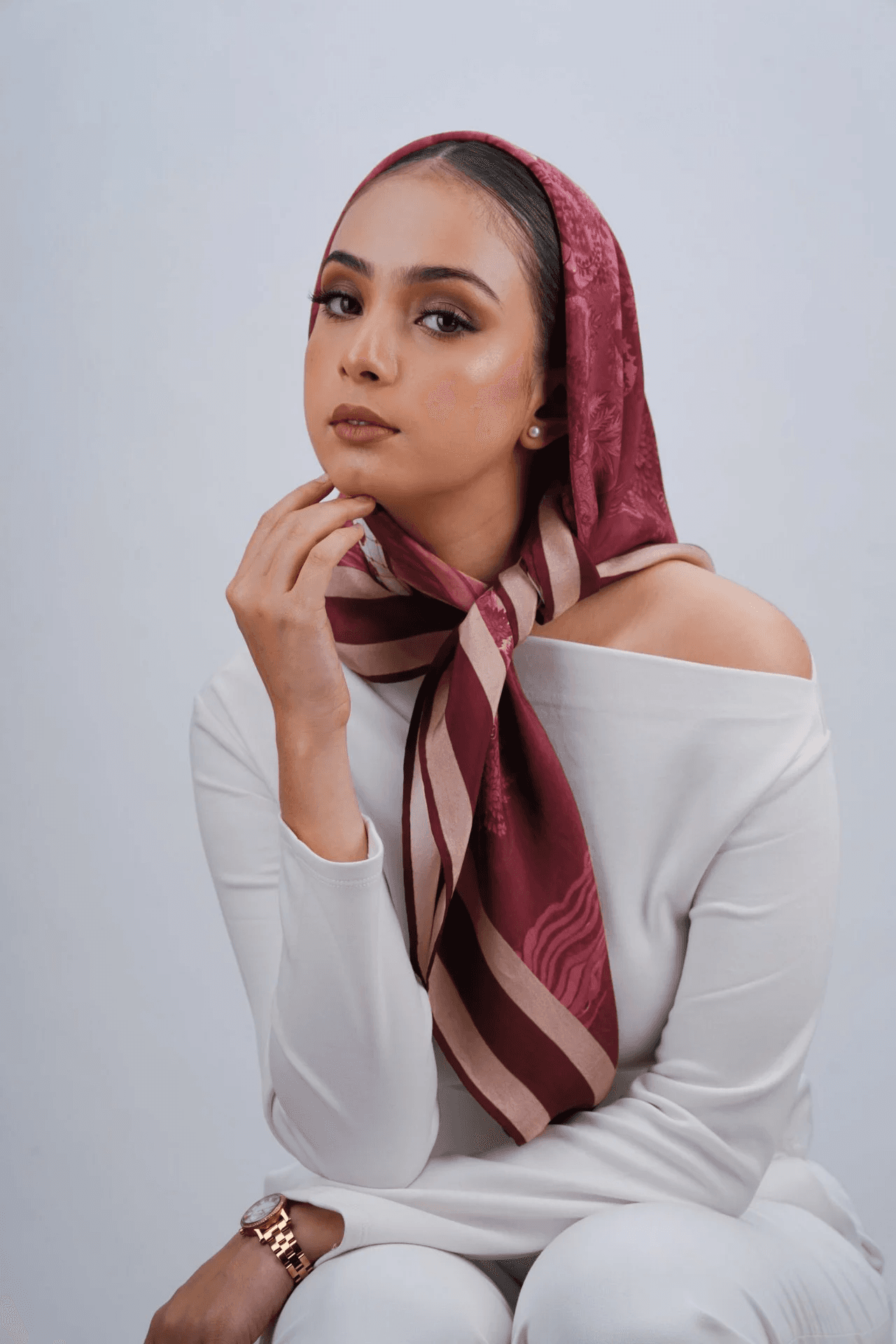
Rakhi Gifting, But Make It Fun!
The IT Rakhi edit for your siblings!
Limoncello Editors · 28 August 2026
The Limoncello Letter
New edits and stories — every other Thursday.