In the ever-evolving world of skincare and regenerative medicine, a new buzzword has entered the chat: exosomes. If you’ve recently seen influencers, dermatologists, or beauty insiders rave about them, you’re not alone. But what exactly are exosomes, and why is everyone talking about them?
What Are Exosomes?
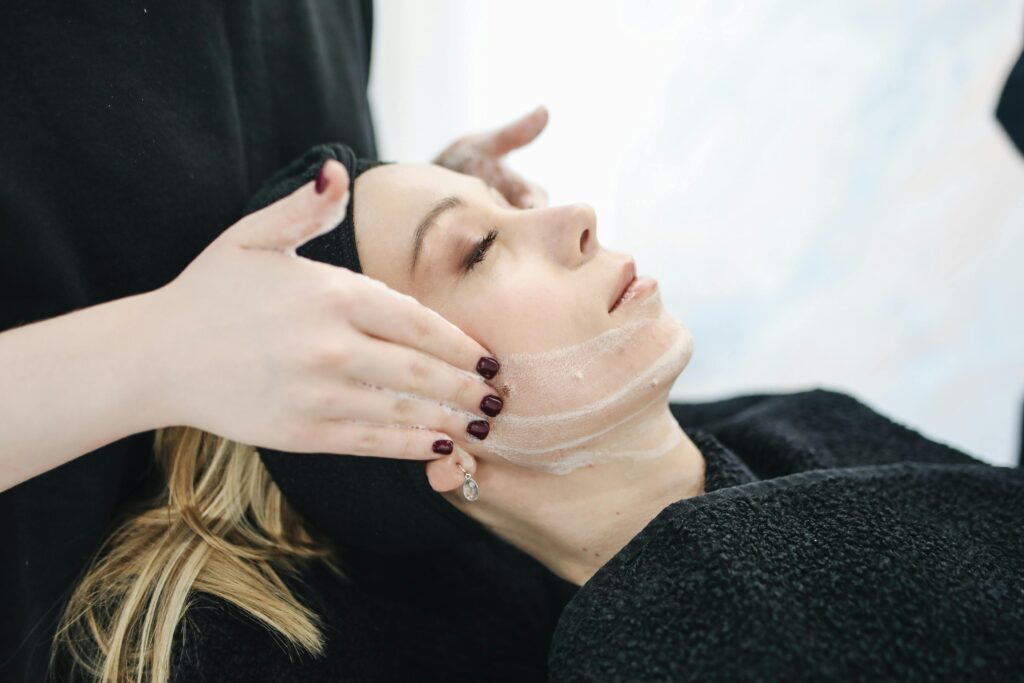
At the most basic level, exosomes are tiny extracellular vesicles released by cells, especially stem cells. These microscopic messengers carry proteins, lipids, and RNA, and play a crucial role in cell-to-cell communication. Think of them as the body’s natural FedEx system, delivering information between cells to stimulate healing, regeneration, and immune responses.
Unlike traditional stem cell therapy, which involves injecting whole cells, exosomes are cell-free. They are derived from the stem cells but without the ethical and medical complications associated with using live cells. This makes exosomes a compelling alternative in the fields of dermatology, aesthetics, and even orthopedics.
Why the Buzz in Skincare?
In skincare, the benefits of exosomes are being touted as nothing short of revolutionary. They are said to:
- Promote collagen and elastin production
- Reduce inflammation and redness
- Accelerate wound healing
- Improve skin texture and tone
- Enhance the results of procedures like microneedling, laser treatments, and chemical peels
Many luxury skincare brands and aesthetic clinics have started offering exosome-based treatments as an add-on therapy to amplify the benefits of existing procedures. Serums, masks, and injectables infused with exosomes are being marketed as the next-level elixir for youthful, radiant skin.
The Science Behind the Magic
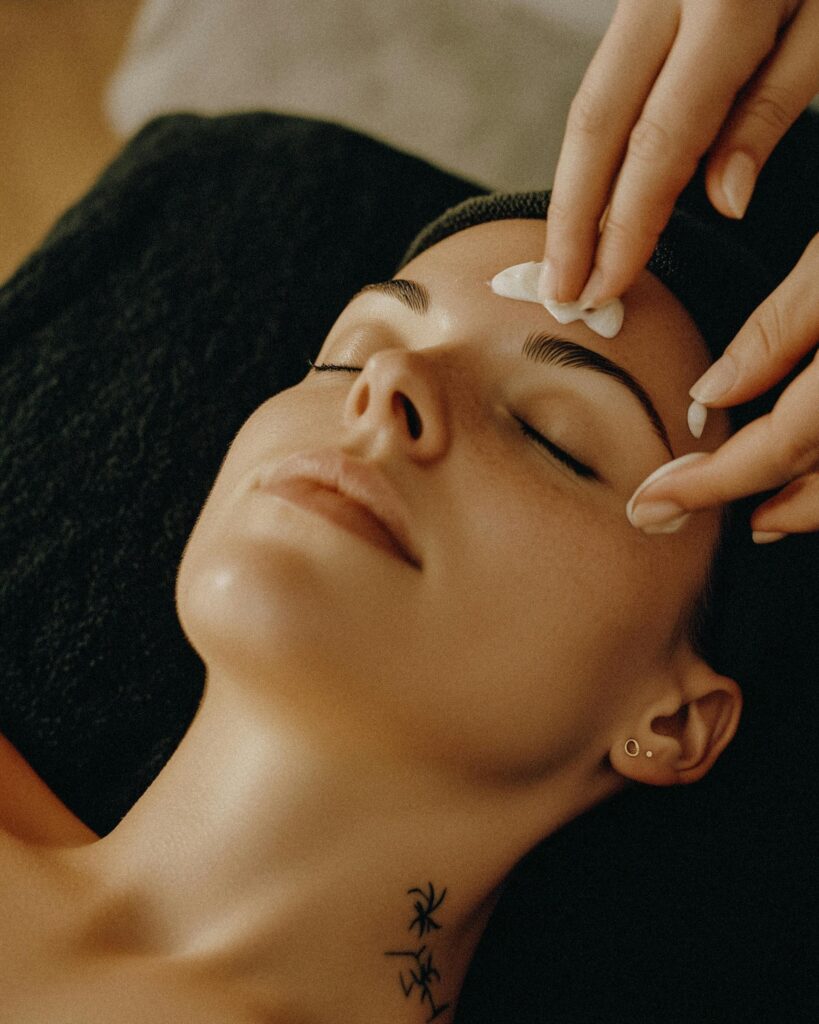
What makes exosomes so promising is their potential to stimulate the skin’s own repair mechanisms. Because they are rich in growth factors, peptides, and anti-inflammatory agents, exosomes can effectively “instruct” skin cells to behave more youthfully. Clinical studies, though still emerging, have shown encouraging results in improving signs of aging, scarring, and pigmentation.
According to Dr. Sheila Krishna, a board-certified dermatologist, “Exosomes are the future of regenerative skincare. They’re showing great promise in treating everything from fine lines to chronic skin conditions like rosacea and eczema.”
Not Just Skin Deep: Medical Applications
The hype doesn’t stop at skincare. In medicine, exosomes are being explored for their role in tissue repair, neurodegenerative diseases, autoimmune disorders, and even cancer therapy. Their ability to cross biological barriers, like the blood-brain barrier, makes them an exciting vehicle for drug delivery in hard-to-reach areas of the body.
Orthopedic specialists are investigating exosome injections for joint repair and tendon injuries, while cardiologists are examining their potential in regenerating heart tissue post-heart attack.
The Catch: Regulation and Accessibility
Despite all the hype, exosomes remain in a regulatory grey area. In many countries, including the U.S., the FDA has issued warnings against unapproved exosome products, especially when marketed as miracle cures. Quality control, sourcing, and safety are major concerns, given the lack of standardized manufacturing protocols.
Moreover, exosome treatments don’t come cheap. A single session can cost anywhere between $500 to $3000, depending on the procedure and clinic. This positions it firmly in the luxury wellness space—for now.
So, Is It Worth the Hype?
If you’re someone who loves being at the frontier of beauty and wellness, exosomes might just be your next obsession. Early adopters swear by the glow and firmness they see post-treatment, and the clinical promise is certainly exciting.
But as with any trend, especially one grounded in cutting-edge science, it’s essential to tread carefully. Look for certified clinics, ask about the source and purity of the exosomes used, and consult with a dermatologist before diving in.
In short, exosomes might not be magic, but they’re definitely a scientific marvel in the making.