Silk Sarees in India
While growing up, I always saw my mom dolling up in her prettiest silk sarees whenever there was a wedding at home. Silk sarees, a quintessential symbol of Indian culture, have been cherished for centuries as a hallmark of elegance, tradition, and artistry. From their humble beginnings as handcrafted weaves to their modern-day interpretations on global runways, the journey of silk sarees is as vibrant and diverse as India itself.
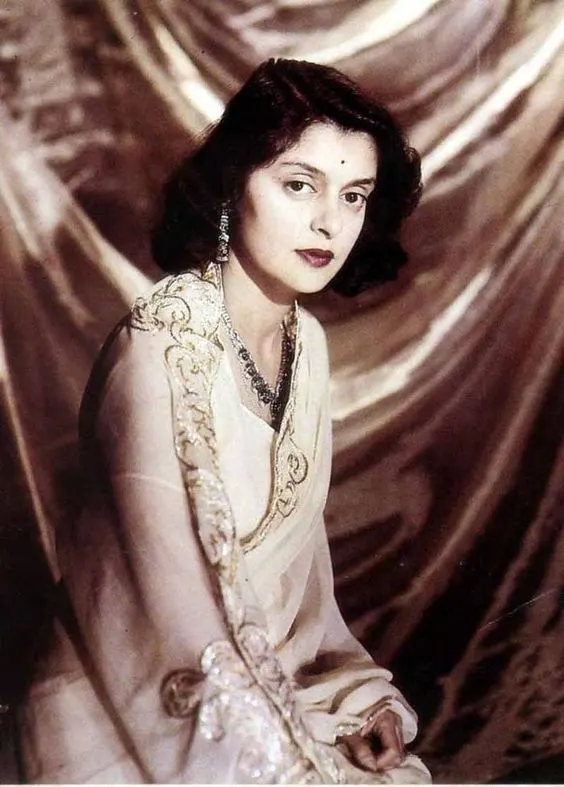
The history of silk sarees dates back to the Indus Valley Civilization, where early forms of textiles were developed. With the advent of sericulture around 2500 BCE, silk became a prized material, revered for its luster and luxurious feel. Initially, silk sarees were reserved for royalty and adorned with intricate motifs inspired by nature, mythology, and temple architecture Silk Sarees in India.
Regional Marvels
As the art of weaving evolved, various regions in India developed their unique styles of silk sarees, each reflecting local culture and heritage wedding sarees in India:
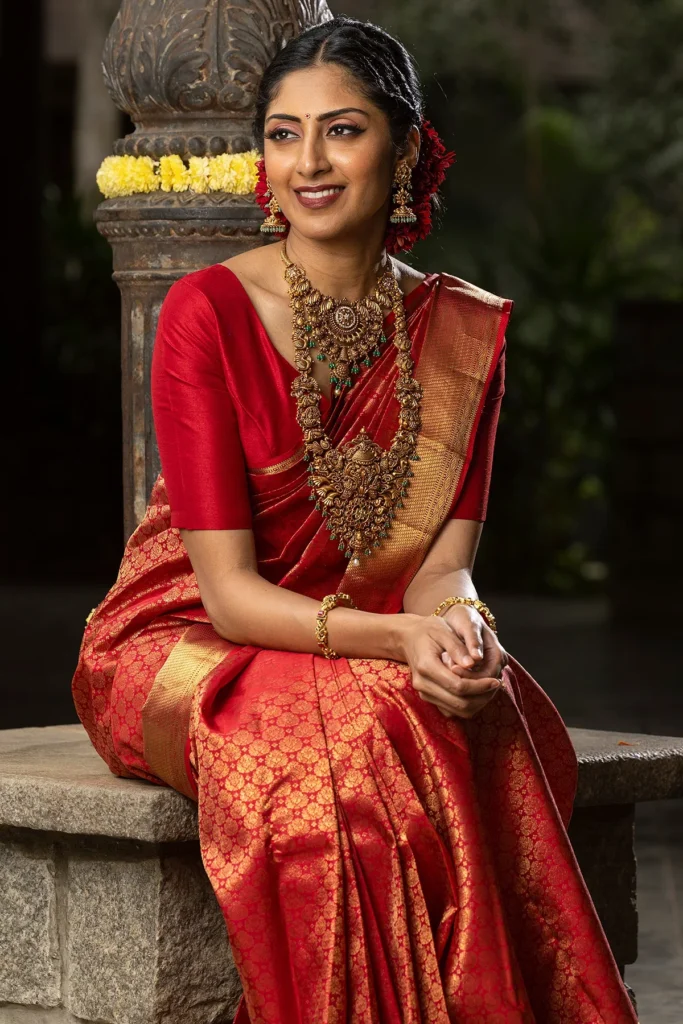
- Kanjeevaram Silk (Tamil Nadu): Known for its vibrant colors and rich zari work, Kanjeevaram sarees are often called the “queen of silk sarees.” The motifs, like peacocks and temples, pay homage to Tamil Nadu’s cultural legacy.
- Banarasi Silk (Uttar Pradesh): Originating in Varanasi, these sarees are famed for their intricate Mughal-inspired designs, featuring floral patterns and metallic brocade.
- Muga Silk (Assam): Exclusive to Assam, Muga silk sarees are prized for their golden hue and durability, often passed down as heirlooms.
- Paithani Silk (Maharashtra): Characterized by its kaleidoscopic colors and peacock motifs, Paithani sarees are a testament to skilled craftsmanship.
- Baluchari Silk (West Bengal): Woven with depictions of mythological scenes, Baluchari sarees narrate stories through their designs.
The Colonial Influence
Silk Sarees For Wedding
The British colonial period saw a decline in traditional handloom weaving, as machine-made textiles gained prominence. However, the silk sarees for wedding sarees resilience of Indian artisans ensured the survival of silk sarees for wedding. During this time, regional weaving techniques were adapted to meet changing preferences, leading to innovations in designs and patterns.
Revival and Modern-Day Renaissance
Post-independence, efforts to revive traditional crafts brought Silk Sarees in India back into the spotlight. Organizations like the Handloom and Handicrafts Export Corporation (HHEC) and state governments played a pivotal role in promoting indigenous weaves.
Today, silk sarees have transcended their traditional boundaries. New age designers are blending age-old techniques with contemporary aesthetics, making them a favourite among younger generations and a staple on international fashion platforms. Eco-friendly practices, such as organic dyeing and sustainable sericulture, are also redefining the production of silk sarees.

The Future of Silk Sarees in India
With growing global interest in artisanal crafts, silk sarees are poised for a new era of innovation. Collaborations between weavers, designers, and technology promise to keep this ancient tradition alive while adapting to modern tastes. Whether through augmented reality fittings or blockchain-certified authenticity, the silk saree is ready to embrace the future while honoring its storied past.
From temple halls to red carpets, the silk saree remains an emblem of grace, resilience, and timeless beauty. Its evolution is a testament to India’s rich cultural heritage and the enduring spirit of its artisans.
See More Blogs Home