For years, ‘rise and grind’ was the mantra of an ambitious generation. Hustle culture glorified 5 a.m. alarms, jam-packed calendars, and the pursuit of productivity as the ultimate badge of success. Social media fed into it with hashtags like #TeamNoSleep, glamorizing burnout as proof of dedication. But somewhere between the endless Zoom calls and a pandemic that forced the world to pause, people began to ask: What are we racing towards, and at what cost?
Enter slow living, a movement that’s less about inertia and more about intentionality. Rooted in the 1980s “slow food” revolution in Italy, which championed local, mindful eating over fast food, slow living has since evolved into a lifestyle philosophy that touches every corner of modern life: work, travel, wellness, fashion, and even technology.
From Grind to Grounding
The global mental health crisis is one of the biggest catalysts behind this shift. According to the World Health Organization, anxiety and depression surged by 25% during the first year of the pandemic. A 2023 Deloitte survey found that nearly half of Gen Z and millennials reported feeling stressed most of the time. For many, the pursuit of balance is no longer a luxury, it’s survival.
Slow living invites a reframe: instead of glorifying being ‘busy,’ it asks us to savor the present, to prioritize depth over speed, and to align work with purpose rather than endless productivity. It’s about working smarter, not harder, and redefining success as sustainable rather than sprint-driven.
The Aesthetics of a Movement
On Instagram and TikTok, slow living takes visual form: cozy morning rituals, journal pages inked with gratitude lists, kitchen shelves stacked with earthenware, or long walks in nature. But beyond the soft-filtered aesthetics lies a deeper truth. People crave slowness because speed has left them burnt out.
The fashion world has embraced this ethos with the rise of slow fashion, where mindful consumption replaces fast fashion hauls. In travel, slow tourism is trending, encouraging fewer trips but deeper experiences; think homestays in Ladakh over 48-hour European blitzes. Even in tech, digital detoxing and mindful scrolling are becoming part of the conversation.
India’s Embrace of Slowness
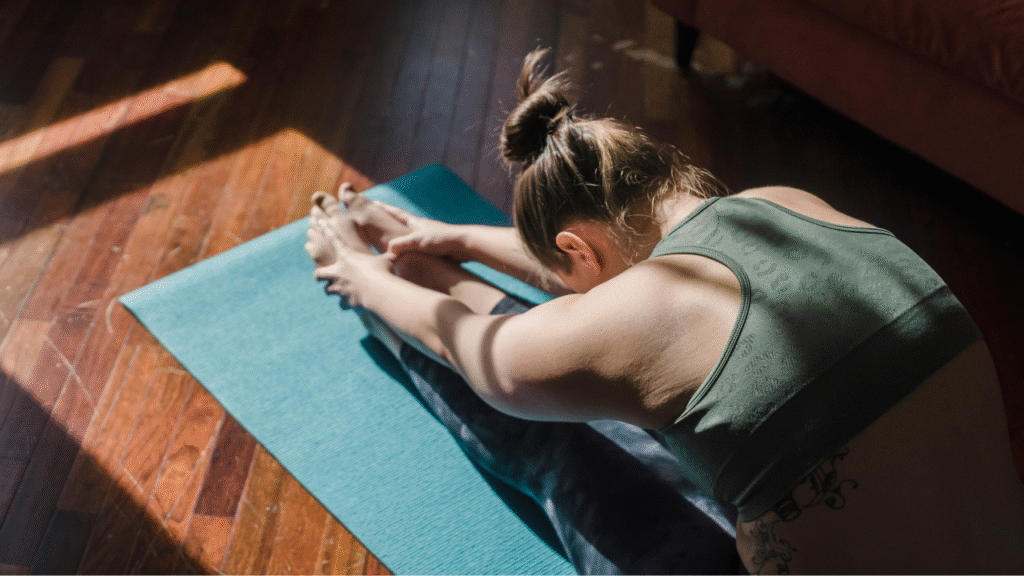
In India, slow living finds resonance in traditions that already valued rhythm and mindfulness, like Ayurveda, yoga, handloom crafts, seasonal eating. Urban consumers are returning to these roots, whether by supporting local artisans, practicing sustainable wellness rituals, or simply reintroducing “shanti” into their daily vocabulary.
Luxury brands are tuning in, too. Premium wellness retreats in places like Rishikesh, Coorg, and the Himalayas are selling not just spa treatments but the idea of pause. Designers like Anavila and Raw Mango are advocating ‘timeless wardrobes’ over seasonal trends.
The Future is Slow
Slow living is not anti-ambition, it’s anti-exhaustion. As Arianna Huffington, who famously collapsed from burnout before founding Thrive Global, put it: “We need to move from the notion that burnout is the price we must pay for success.”
In 2025, the cultural pendulum is swinging firmly toward balance. Hustle culture may have been the badge of the 2010s, but the new era belongs to those who know how to work with intention, live with mindfulness, and savor the quiet moments that make life meaningful. Generation Z might get a lot of heat for saying ‘NO’ at their workplace, but they are teaching people the true essence of prioritizing ‘YOU’ above it all.
Because sometimes, slowing down is the fastest way to truly live.