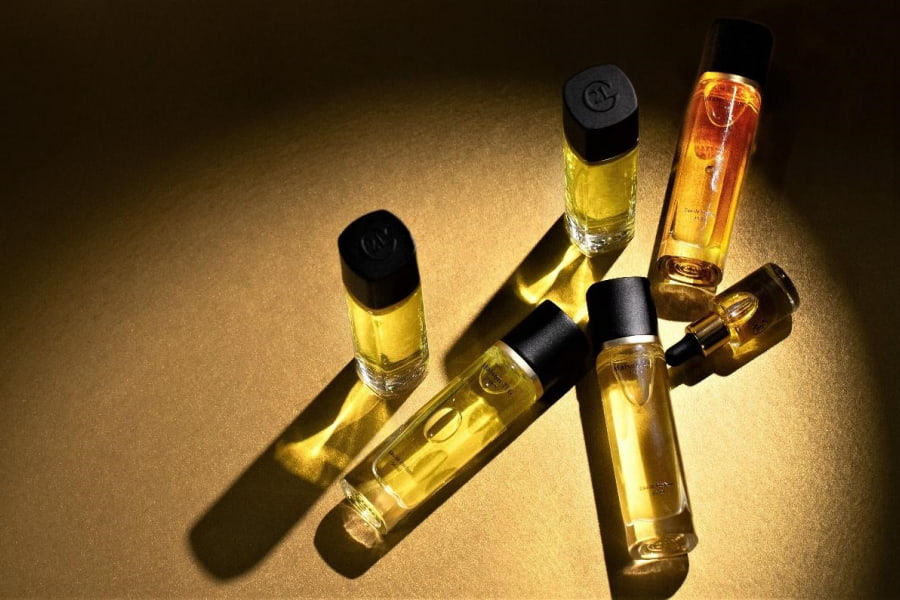

Long before ‘self-care’ became a buzzword, humans instinctively turned to fragrance as a form of emotional alchemy. Ancient Egyptians burned frankincense to quiet the mind, Ayurveda prescribed sandalwood for its grounding qualities, and the Japanese practice of Kōdō, the art of incense treated scent as meditation. Fast-forward to 2025, and science is catching up with what history already knew: fragrance doesn’t just make you smell good; it can make you feel good.
Today, perfumers and neuroscientists are designing scents like mood medicine; bespoke blends engineered to sharpen focus, reduce stress, or simulate the joy of a holiday escape. Think of it as aromatherapy 2.0: the fusion of artistry, neuroscience, and wellbeing. Here’s how to use fragrance as your secret emotional toolkit.
Scents That Supercharge Productivity
If your work-from-home afternoons still drag, you may need more than coffee. Research from the Takasago Research Center in Japan found that diffusing lemon fragrance in an office setting reduced typing errors by 54%. Citrus oils like bergamot, grapefruit, and mandarin help activate the limbic system and stimulate dopamine release, helping to improve alertness and motivation.
Fragrance prescription:
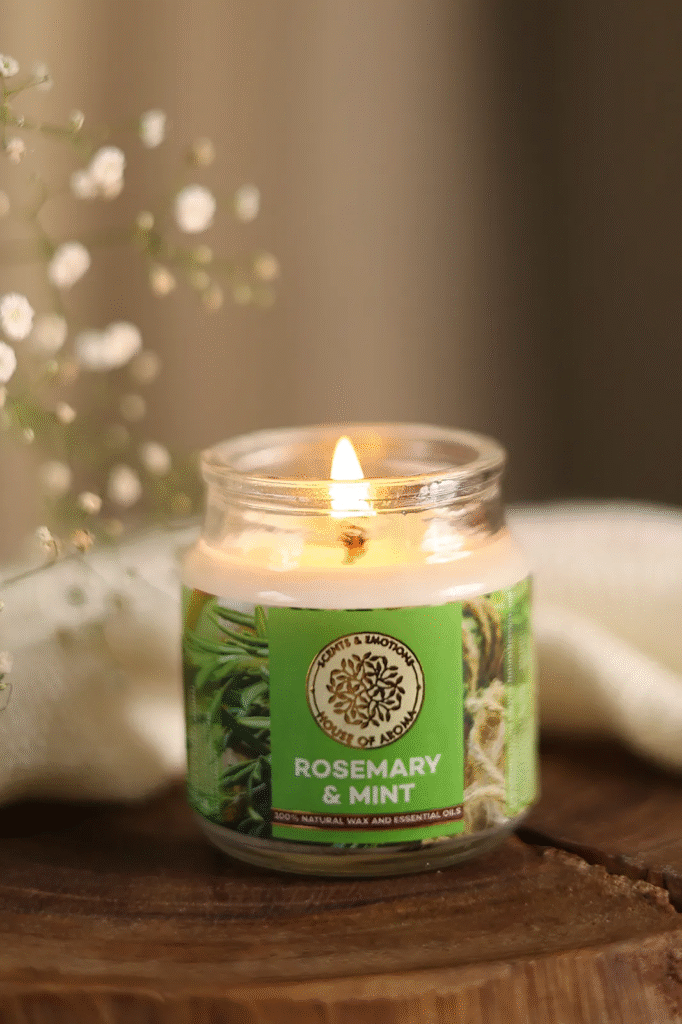
- For focus: Look for perfumes or candles with notes of lemon verbena, rosemary, or peppermint.
- Try layering: Spritz a clean citrus cologne in the morning and diffuse rosemary oil at your desk for sustained clarity.
Fragrance as a Stress-Soother
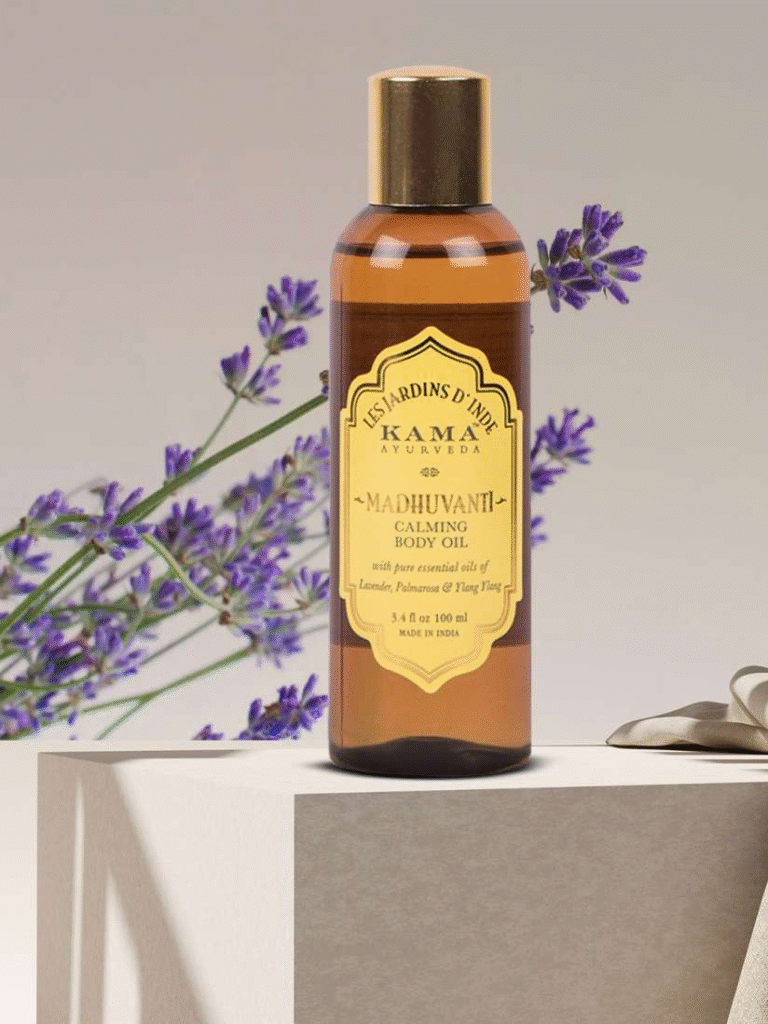
When anxiety peaks, fragrance can quite literally change your brainwaves. Lavender, for instance, has been shown in clinical trials to reduce cortisol levels, with some studies comparing its anxiolytic effect to mild doses of diazepam (without the side effects). Chamomile, sandalwood, and clary sage also have naturally calming properties that signal the nervous system to downshift.
Fragrance prescription:
- For calm: Choose fragrances with soft florals, powdery musks, and warm woods.
- Night ritual: Mist a lavender pillow spray before bed or wear a sandalwood-forward perfume to anchor you through stressful days.
Scents That Simulate Vacation
Can’t hop on a plane? Your nose might just get you there. The olfactory bulb, the part of the brain that processes smell is directly connected to memory and emotion. That’s why the scent of coconut sunscreen can instantly summon a mental beachscape, or pine needles might transport you to a mountain cabin.
Perfumers are now bottling ‘escapism’ with precision: aquatic accords mimic salty sea air, while tropical white florals like frangipani and tiare conjure the South Pacific. Luxury houses like Maison Margiela (Replica Beach Walk) or niche perfumers like D.S. & Durga (Debaser) have built cult followings around this sensorial travel trend.
Fragrance prescription:
- For a beach escape: Look for perfumes with coconut, marine notes, and tiaré flower.
- For mountain energy: Seek blends of pine, cedar, or fir balsam.
- For city wanderlust: Opt for leather, tobacco, or coffee notes that echo Parisian cafés or Italian piazzas.
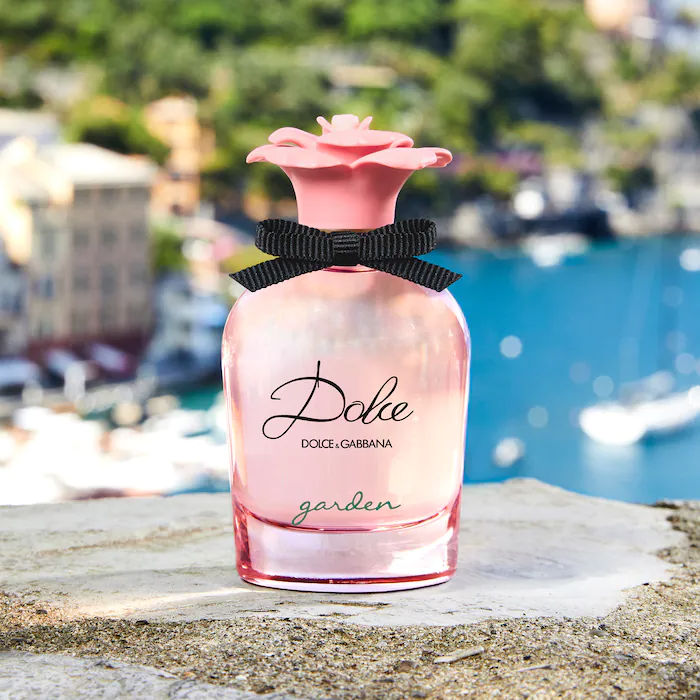
The key to using scent as mood medicine is intention. Choose your fragrance the way you’d curate a playlist. Peppermint and lemon for your morning “focus” track, rose and vanilla for your “comfort” hours, and neroli or jasmine for an “escape” moment when you need to dream. And don’t stop at perfume: diffuse essential oils in your workspace, layer scented body oils post-shower, or even use subtly fragranced laundry detergents to make mood-enhancing aromas part of your everyday ecosystem.